Dolly Parton Lived a Life That Deserves to Be a Diamond
Remarkable Lives
Article Category:Remarkable Lives
Dolly Parton passed away peacefully in Nashville on August 25, 2026. She was 80 years old. Her family shared the news through her nephew, and within the hour the whole world seemed to be grieving at once. Country music. Hollywood. Broadway. Libraries. Laboratories. A theme park in the Smoky Mountains. Millions of children who learned to read because of her.
At Eterneva, we spend every day with families honoring remarkable lives, and we have learned something along the way. Remarkable does not mean famous. It means a life so full of love, grit, and giving that the people left behind cannot bear to let the story end. By that measure, Dolly Parton lived one of the most remarkable lives of our time. This is her story, why she mattered, and what she leaves behind.
A Coat of Many Colors
Dolly Rebecca Parton was born on January 19, 1946, in a one room cabin in the Great Smoky Mountains of East Tennessee, the fourth of twelve children. Her father was a sharecropper and tobacco farmer who never learned to read or write. Her mother sang old mountain ballads to keep a houseful of children warm through hard winters.
The family had almost nothing. What they had was music, faith, and each other. Years later, Dolly turned a patchwork coat her mother stitched from rags into one of the most beloved songs in American music. She never hid where she came from. She built her whole life on top of it.
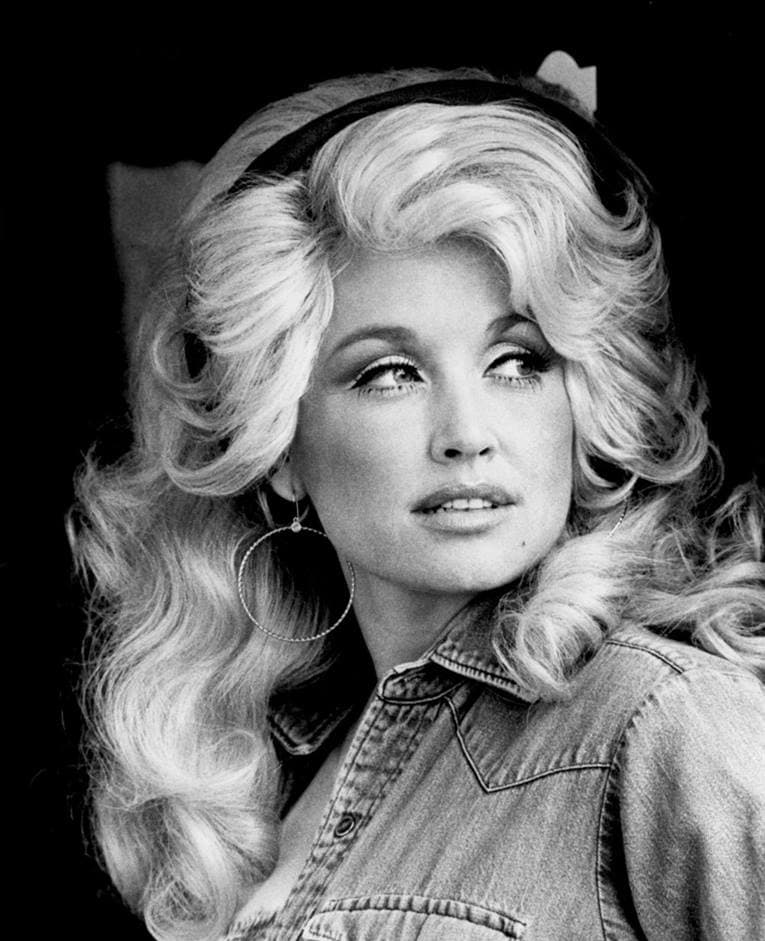
The day after she graduated high school in 1964, she boarded a bus to Nashville with her songs and everything she owned. On her first day in the city, at a laundromat, she met a young man named Carl Dean. They married in 1966 and stayed married for nearly 58 years, until his death in March of 2025. Carl avoided the spotlight so completely that fans joked he was a myth. He was not a myth. He was the quiet center of the most public life in America, and losing him was the deepest grief of hers.
The Songwriter Who Gave Her Best Song Away
Dolly wrote thousands of songs. A handful of them changed music forever. Jolene. 9 to 5. Coat of Many Colors. And the one that tells you everything about who she was: I Will Always Love You.
She wrote it in 1973 as a farewell to Porter Wagoner, the television star who gave her a national stage and then would not let her leave it. Instead of a feud, she wrote him the most gracious goodbye ever set to melody, walked into his office, and sang it to him. Then she went out and built the solo career he swore she could not have.
When Elvis Presley wanted to record the song, his manager demanded half the publishing rights. Dolly said no. It broke her heart, and she said no anyway. Two decades later, Whitney Houston's version became one of the biggest hits in recorded history, and every songwriting royalty came home to the woman who wrote it in a single sitting. Business schools now teach that decision. Dolly just called it knowing what you are worth.
She became a movie star in 9 to 5 and Steel Magnolias. She was inducted into the Country Music Hall of Fame and, in 2022, the Rock and Roll Hall of Fame, an honor she first tried to decline because she felt she had not earned it. Then she went home and recorded a rock album so she would. That was Dolly. Humility and audacity in the same rhinestone jacket.
The Businesswoman Behind the Butterfly
People underestimated Dolly Parton for sixty years, and she let them, because it was good for business. Behind the wigs and the one liners was one of the sharpest entrepreneurial minds in American entertainment.
In 1986 she took a stake in a struggling theme park in Pigeon Forge, Tennessee and turned it into Dollywood, one of the most visited theme parks in the world and an economic engine for the mountains that raised her. She built a production company, a record label, dinner theaters, publishing, and one of the most valuable song catalogs in music history, and she kept control of nearly all of it. She had a saying about her look that doubled as her business philosophy: it costs a lot of money to look this cheap. Everyone laughed. She kept building.