How Much Does It Cost to Cremate a Cat in 2026?
Science & Tech
18 min read
Article Category:Science & Tech
Losing a beloved pet is a truly heart-wrenching experience. While you're processing this loss, the last thing you want to do is deal with difficult logistics. You're likely asking practical questions like, "how much does it cost to cremate a cat?" and feeling overwhelmed by the options. We get it. That’s why we created this guide. We'll gently walk you through the cat cremation cost and process, giving you the clear information you need to make the best decision for your furry companion.
In this article, we’ll explore a variety of choices available for your cat’s final disposition, including burial and cremation options. We’ll also examine some of the factors that influence cat cremation prices and fees and address common concerns about the process. By gaining an in-depth understanding of the options available, you can feel confident in the decisions you make for your cat and hopefully relieve some of the stress and complication from an already difficult time.
How Much Does It Cost to Cremate a Cat?
If you decide to cremate your cat, there are a number of factors to consider, and costs can vary widely depending on what you choose to do. Your location, the type of cremation method you select, and any additional services you require will all affect the final price. On average, you can expect to pay anywhere between $50 to $250 for cat cremation. Here are a few of the factors that may influence the price:
What Are My Cat Cremation Options?
There are two main types of pet cremation: communal cremation and private cremation. Communal cremation is less expensive and involves cremating multiple pets together. The ashes are usually not returned to the cat owner, which minimizes the cost to around $50 to $100.
Private cremation is more expensive because it involves cremating your cat individually. However, this cremation process ensures that you will receive only your pet's ashes, and many crematoriums include a small urn in which to deliver the ashes. The price of private cremation ranges between $100 to $250, depending on the provider.
Some crematoriums may also offer semi-private cremation, where barriers are placed between pets in the same furnace, allowing you to keep your animal's ashes separate so they can be gathered and given to you.
How Your Location Affects the Cost
The cost of cat cremation may vary depending on where you live. Urban areas with a higher cost of living generally have higher veterinary prices compared to rural areas, including cremation services. To find the best option for your budget, you can call local facilities and crematoriums or talk to your veterinarian to make sure you get the services you want for a price you can afford.
Considering Urns and Other Add-On Services
Many crematoriums have a number of additional offerings available for purchase, such as funeral services, decorative urns, and memorial keepsakes. Some may even have packages that include these extras or have options for them to be purchased separately.
Communal Cremation
Communal cremation is the most affordable option, typically costing between $50 and $100. In this process, your cat is cremated alongside other pets. Because the animals are cremated together, it is not possible to separate the ashes afterward. For this reason, the ashes are not returned to you. Instead, the crematorium usually scatters them in a designated memorial garden or disposes of them respectfully. This can be a good choice for pet owners who do not wish to keep their pet’s ashes but want to ensure their companion’s remains are handled with care and dignity.
Individual or Partitioned Cremation
Some facilities offer an option called individual or partitioned cremation. This is a middle ground between communal and private services. In this scenario, multiple pets are placed in the cremation chamber at the same time, but they are separated by stainless steel partitions or placed on individual trays. This process keeps each pet’s ashes separate, allowing them to be collected and returned to you. It’s a more affordable alternative to a true private cremation, but it’s crucial to ask the provider exactly how they ensure the separation and prevent any co-mingling of ashes.
Private Cremation
A private cremation means your cat is the only animal in the cremation chamber during the process. This is the only way to guarantee that the ashes you receive belong solely to your pet. While it is the most expensive option, ranging from $100 to $250, it provides complete peace of mind. Many crematoriums will include a basic urn or container with this service. Opting for a private cremation is essential if you plan to scatter, bury, or use the ashes for a special memorial, like transforming them into a beautiful pet diamond to keep your companion’s memory close forever.
Understanding Additional and Hidden Fees
The initial quote you receive for a cremation service may not be the final price. Many crematoriums offer additional services and products that can add to the overall cost. These can range from transportation and special urns to memorial services and keepsakes. It’s important to ask for a detailed breakdown of all charges upfront so you can make an informed decision that fits your budget and your wishes for your pet. Don’t be afraid to ask questions about what is included in the base price and what is considered an add-on.
Transportation Costs
One of the first additional fees you might encounter is for transportation. If you are unable to bring your cat to the crematorium yourself, most facilities offer a service to pick up your pet from your home or your veterinarian's office. This service typically costs between $30 and $50. Keep in mind that this fee can increase if the pickup is needed after regular business hours, on a weekend, or during a holiday. Be sure to confirm the cost of transportation when you are making arrangements.
Urns and Keepsakes
While a private cremation often includes a simple, temporary container for the ashes, many pet owners choose to purchase a more permanent and decorative urn. The cost for a special urn can range from $50 to over $150, depending on the material, size, and design. Beyond urns, many providers also offer other memorial keepsakes, such as paw prints or jewelry. These items allow you to honor your pet in a unique way, and you can explore a gallery of settings to find inspiration for a truly personal tribute that celebrates their life.
Witnessing the Cremation
For some pet owners, being present during the cremation can provide a sense of closure and reassurance that their pet is being handled with respect. Many facilities accommodate this request and allow you to witness the process, though it usually comes with an additional fee of around $20 to $30. If this is something you are considering, you will need to schedule it with the crematorium in advance. It’s a personal choice, and a reputable provider will be understanding and supportive whether you choose to be there or not.
The Cremation Process and Choosing a Provider
Navigating the logistics of cremation while you’re grieving is tough, but finding a trustworthy provider can make all the difference. A good crematorium will be transparent, compassionate, and patient, guiding you through the process with care. Understanding the steps involved and knowing what questions to ask will empower you to choose a facility that will honor your cat’s memory and give you peace of mind during a difficult time. Your veterinarian is often a great resource for recommending reputable local services.
What to Expect During the Process
The cremation process generally follows a clear set of steps to ensure your pet is handled with care from start to finish. It begins with you making arrangements with the provider. Next, your pet is transferred to the facility. Upon arrival, your cat is assigned a unique identification number or tag that stays with them throughout the entire process. After the cremation itself, the remaining ashes are carefully processed to a fine, consistent texture. Finally, the ashes are placed in your chosen urn or container and returned to you.
Questions to Ask a Crematorium
When you contact a potential provider, having a few key questions ready can help you gauge their professionalism and transparency. Start by asking them to clearly explain the difference between their communal, individual, and private cremation services. Inquire about their pricing and ask for an itemized list of all potential costs so there are no surprises. Most importantly, you should always ask about their identification and tracking process to ensure you will receive the correct ashes back if you choose a private or individual cremation.
How do you track my pet's identity?
This is one of the most critical questions you can ask. A reputable crematorium will have a foolproof method for tracking your pet’s identity. This often involves a unique, numbered metal tag that is assigned to your pet upon arrival and stays with them through the entire cremation process. The tag can withstand the high temperatures and is used to identify the ashes afterward. A provider should be able to explain this system to you in detail. This commitment to transparency and standards is non-negotiable when entrusting a facility with your beloved companion.
Red Flags to Watch For
While most pet cremation providers are compassionate professionals, it’s wise to be aware of potential red flags. Be cautious if a provider is vague when answering your questions, especially about their identification tracking system. A lack of transparency is a major concern. You should also be wary of vague price quotes that don’t detail what’s included, or if you feel pressured to purchase expensive upgrades or add-ons you don’t want. A trustworthy facility will provide clear information and allow you to make decisions without pressure.
Cremation vs. Burial: Which Is Right for You?
Deciding whether to cremate or bury your cat is a deeply personal choice that may depend on your cultural beliefs, personal preferences, location, and financial situation. But while there are a variety of things to think about when making your decision, it is ultimately up to you. Here are a few factors to consider:
Your Home, Yard, and Future Moves
One advantage of cremation is that it doesn't require a physical burial plot. This can be an important factor for those who live in urban areas, rent property, or have limited space. If you elect to cremate your cat, you can easily keep their ashes in an urn in your home, scatter them in a meaningful place, or incorporate them into a memorial item or arrangement.
Understanding Home Burial Laws
The idea of burying your cat in a special spot in the backyard can be incredibly comforting. It allows you to keep them close, create a personal memorial, and visit them whenever you wish. For many, this feels like the most natural and loving final step. However, before you move forward with this option, it’s essential to understand the local rules. While many areas permit home burials for pets, there are often specific regulations you must follow to ensure it’s done safely and legally. These rules aren't meant to be difficult; they exist to protect public health, local wildlife, and the environment.
There is no single federal law for pet burials, so the regulations can vary significantly depending on your state, county, and even your city. Some common requirements include burying your cat at a certain depth—typically three to five feet—to prevent scavenging by other animals and ensuring the burial site is a safe distance from any wells or public water sources. To get started, you can research the general pet burial laws for your state, but you’ll need to confirm the specifics with your local authorities. A quick call to your local animal control or city clerk’s office is the best way to get clear, accurate information for your area.
Which Option Is More Eco-Friendly?
Cremation also has a smaller environmental footprint than burial, as it doesn't require land or embalming chemicals. On the other hand, there are energy consumption and emission concerns associated with cremation chambers. If environmental factors are important to you, you may consider choosing a crematory that uses eco-friendly practices and products or opting for a “green burial” if you prefer a more natural approach.
Other Alternatives to Consider
If neither traditional burial nor cremation feels like the right fit, you have other options for your cat’s final arrangements. These alternatives can offer a more eco-conscious approach or a way to create a lasting legacy of a different kind. It’s all about finding the path that brings you the most peace and best honors the unique bond you shared with your feline friend. Making this decision is incredibly personal, and there's no right or wrong answer. Exploring all possibilities ensures you choose a farewell that feels authentic to you and the memory of your cherished companion.
Aquamation
For those concerned about environmental impact, aquamation is an excellent eco-friendly alternative to consider. Also known as alkaline hydrolysis, this gentle process uses water, heat, and alkali to accelerate the natural breakdown of the body, leaving behind bone ash. It’s a much greener option than flame-based cremation because it uses significantly less energy and produces no harmful emissions. The resulting ashes are returned to you, just as with a private cremation, allowing you to keep them in an urn, scatter them, or transform them into a beautiful memorial diamond that you can cherish forever. This method provides a serene and sustainable way to say goodbye.
Donating to Science
Another meaningful way to honor your pet’s memory is by donating their body to a veterinary school or research facility. This selfless act can contribute to advancements in veterinary medicine, helping to train the next generation of veterinarians and potentially saving the lives of other beloved pets in the future. It’s a beautiful way to create a lasting legacy from your loss. Institutions that accept these donations handle all remains with the utmost respect and care, ensuring your cat is treated with dignity throughout the entire process. This choice allows your cat's life to have a continuing positive impact on the world.
Comparing the Costs of Each Option
As mentioned earlier, pet cremation prices can range between $50 to $250. Alternatively, burial costs can be a lot more expensive, depending on the location of the plot and how elaborate the casket, memorial marker, or headstone are. On average, pet burial can range from $400 up to $1,000 or more, making cremation a far more budget-friendly option in most cases.
How Do You Want to Remember Them?
Both pet cremation and burial offer various memorialization options. If you bury your cat in a pet cemetery, you can create a place to visit them and reflect on your time together. With cremation, you can use their ashes for a variety of memorial options. You can plant a tree that incorporates the ashes, or incorporate your beloved cat into personalized memorial keepsakes that you can carry with you.
End-of-Life Planning and Grief Support
Thinking through end-of-life logistics while preparing for the emotional toll of loss can feel overwhelming, but you don’t have to face it alone. Addressing these topics before they become urgent is a final act of love for your pet, giving you a sense of peace and control during an uncertain time. By having a plan, you can ensure your cat’s final days are filled with comfort and love, rather than stressful decisions. This preparation also gives you the space you’ll need to grieve and begin healing when the time comes. Here are a few things to consider as you prepare for this difficult transition.
The Importance of Planning Ahead
Thinking about your cat's end-of-life care before it's needed is one of the kindest things you can do for both your pet and yourself. As difficult as it is to consider, having a plan in place can relieve you of the burden of making complex decisions while you're grieving. It's helpful to "consider your options for your cat's remains before they pass away to make decisions easier during a sad time." This foresight allows you to research local crematoriums, understand the costs involved, and decide on a final resting place that feels right for your family. By handling these logistics ahead of time, you can focus completely on honoring your cat's memory and supporting yourself through the loss when the time comes.
Navigating the Euthanasia Decision
Making the decision to say goodbye is one of the hardest moments a pet owner will ever face. When a cat is suffering from a terminal illness or the effects of old age, euthanasia can be the most compassionate choice. When a cat is very sick or old and no longer enjoying life, sometimes the kindest thing to do is choose euthanasia, as this "helps them pass away peacefully and without pain." This decision is never easy, but it is an act of love to prevent further suffering. It's essential to have open conversations with your veterinarian about your cat's quality of life and prognosis. They can provide medical insight and guidance, helping you make an informed and loving decision for your cherished companion.
Finding Pet Loss Support Resources
The grief you feel after losing a pet is profound and valid, and you don't have to go through it alone. It's important to give yourself space to mourn and to seek support when you need it. For many, talking about their loss with friends or family who understand is a great comfort. There are also many professional resources available, from support groups to therapists specializing in pet bereavement. If your grief feels overwhelming, don't hesitate to reach out for help. Hotlines like the Lap of Love Pet Loss and Bereavement Resource Line offer a compassionate ear. Understanding the stages of grief can also help you process your emotions during this difficult time. Remember to be kind to yourself as you heal.
Can You Turn Your Cat's Ashes into a Diamond?
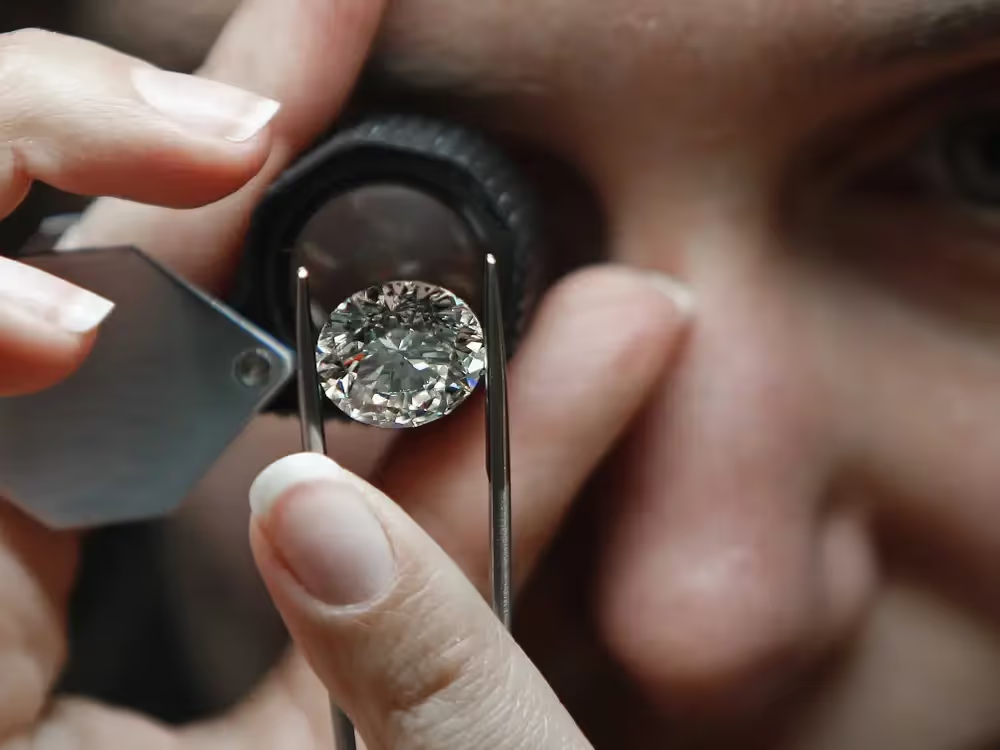
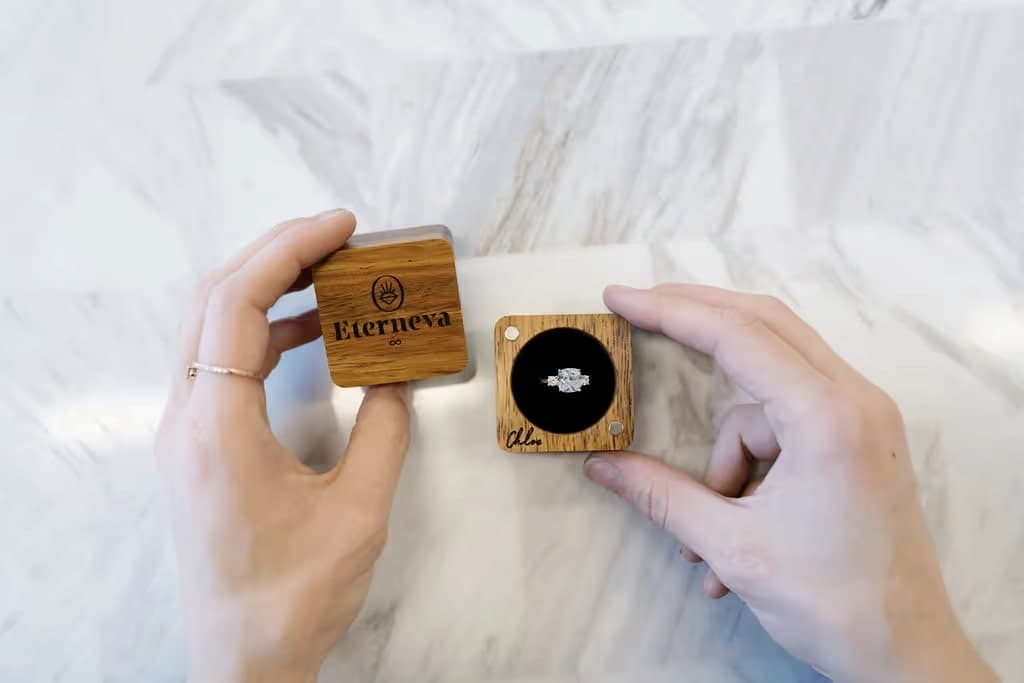
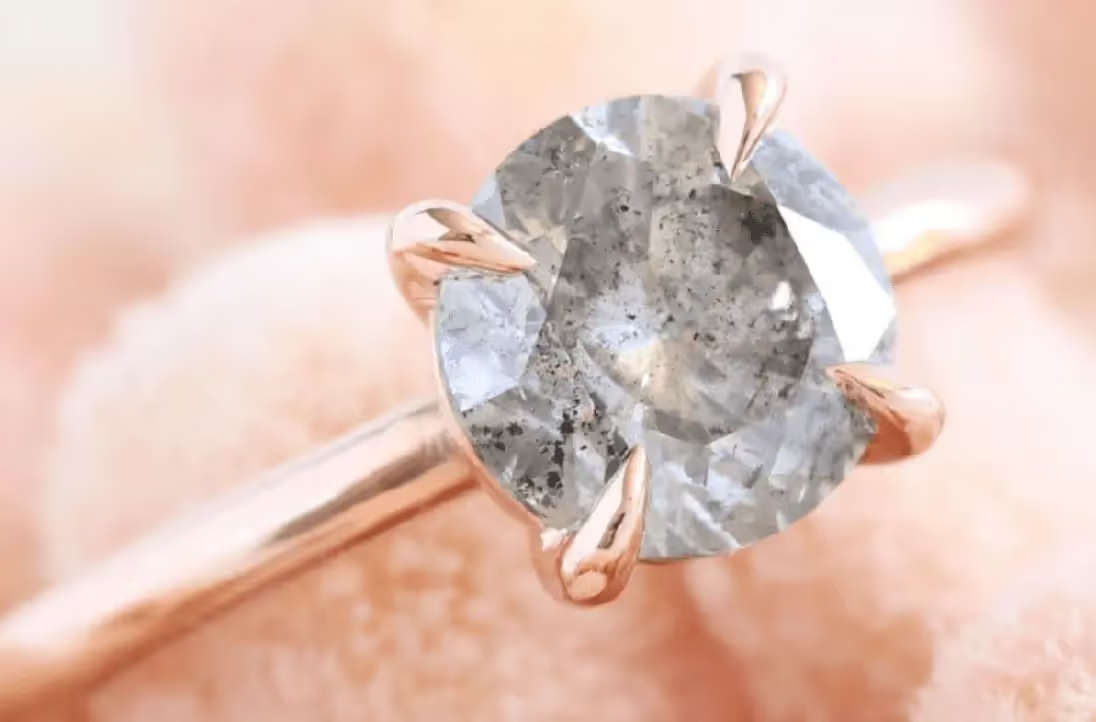
At Eterneva, we specialize in creating diamonds from the ashes of your loved ones, including your remarkable feline buddy. Imagine carrying your little one with you wherever you go, a gorgeous glittering diamond serving as a reminder and symbol of the snuggles, lap-sits, and chin rubs you shared with them. It can also be an effective transformational part of the cremation process, turning the grief of losing your pet into a source of comfort and a spark of memory to keep with you going forward.
Frequently Asked Questions
What's the real difference between private and communal cremation? The main difference is whether you want to receive your cat's ashes. With a private cremation, your cat is the only one in the chamber, which guarantees the ashes returned to you are only theirs. Communal cremation is a more affordable option where multiple pets are cremated together. Because of this, the ashes are not separated or returned to individual owners and are typically scattered respectfully by the crematorium.
How do I know for sure that I'll get my own cat's ashes back? This is a completely valid and important concern. A trustworthy crematorium will use a strict tracking system to ensure there are no mix-ups. This often involves a unique metal tag that is assigned to your cat and stays with them throughout the entire process. A reputable provider will be happy to explain their identification method to you in detail, and their transparency is a great sign of their professionalism.
Besides the main cremation fee, what other costs should I expect? The initial quote might not cover everything, so it's smart to ask for a full breakdown of charges. Common additional costs can include the transportation of your pet from your home or vet's office, especially if it's after hours. You might also choose to purchase a decorative urn, as the container included with the service is often very basic. Some facilities also offer the option to witness the cremation for an extra fee.
Is cremation or burial the "right" choice for my cat? There is no single "right" choice; the best decision is the one that brings you the most peace. Burial can provide a physical place to visit, but you'll need to check your local laws and consider if you might move in the future. Cremation offers more flexibility, allowing you to keep your cat's ashes with you in an urn, scatter them in a meaningful place, or create a lasting memorial keepsake that can move with you.
I've chosen cremation. What are some meaningful things I can do with the ashes? There are many beautiful ways to honor your cat's memory with their ashes. You can keep them in a special urn in your home, scatter them in a favorite sunny spot in the garden, or use them to plant a memorial tree. Some people also choose to incorporate a small amount of the ashes into keepsakes like glass art or jewelry. You can even transform the carbon from the ashes into a unique memorial diamond to carry their memory with you always.
Key Takeaways
- Understand the cost factors: Cat cremation generally costs between $50 and $250. The main difference is between a communal service, where ashes are not returned, and a private one that guarantees you receive your pet's specific ashes.
- Choose a provider you can trust: When speaking with a crematorium, ask them to explain their tracking and identification process. A reputable provider will answer transparently, giving you peace of mind during a difficult time.
- Know all your memorial options: Cremation is a common choice, but it isn't the only one. Consider alternatives like home burial, after checking local laws, or aquamation to find the farewell that feels most fitting for your companion.