You might see a search trend like "is cogey trans" and get curious about the person behind the screen. This open curiosity is a world away from a time when LGBTQ+ people were hidden from history. The progress we see today comes from a slow, steady push for personhood by countless heroes. Figures like Brenda Howard, the "Mother of Pride," fought simply to be seen. Understanding their stories is essential for truly celebrating pride and honoring the community's long fight for acceptance.
Every June, we come together to celebrate the names of those who made remarkable sacrifices and fought diligently in order for love to prevail. We work to tell the stories often forgotten and to honor individuals and organizations whose work bears so much importance today.
This Pride Month, we’re joining our community in honoring the legacies of LGBTQ heroes and working to widen our understanding of history by celebrating their remarkable lives. Through memorials and stories, we can commemorate the work of those that have come before in the fight for gay rights, and find healing and understanding along the journey.
So, What Exactly Is Pride Month?
Today, LGBTQ Pride Month is a festive celebration that takes place in the month of June each year. Pride events are a time to celebrate lesbian, gay, bisexual, and transgender people and to remember the history of the fight for equal rights.
Pride Month is now celebrated by politicians, schools, companies, and individuals everywhere from San Francisco to Washington D.C., but it wasn’t always that way. Pride Month is a commemoration of the Stonewall Riots of 1969, a pivotal turning point in the history of the gay rights movement and a period marked by strife and oppression.
From Protest to Parade: The History of Pride
In 1969, it was against the law to participate in what was referred to as “homosexual behavior.” It was common for the police to raid spaces known to be safe havens for members of the LGBTQ community, including the Stonewall Inn in Greenwich Village, Manhattan. One evening, a riot followed a police raid at Stonewall and inspired greater protests to follow in pursuit of fair treatment and equal rights for the LGBTQ community.
The first Pride Day was held in June the following year, as a commemoration of the efforts made by gay and lesbian organizations to push for equal rights in political and social spheres. The organizers of the New York City march pushed for pride marches and pride parades across the country, and Chicago and Los Angeles held them that first year, as well.
By 1971, gay pride marches were being held across the United States, as well as in London, Paris, West Berlin, and Stockholm. The marches spread even further the following year, and organizations supporting the rights of LGBTQ community members came to number in the thousands.
It was a period of great change for LGBTQ Americans and members of the LGBTQ community around the world. Before the Stonewall Riots, many gay rights activists had worked to argue that they were equal to heterosexual individuals and should be allowed to work in government positions and enjoy basic human rights.
Many believe the Stonewall Uprising was the first time this many LGBTQ individuals stood up and fought against their oppression, rioting against mistreatment and persecution. PRIDE was originally an organization and term coined in 1966, but following Stonewall, it became a mantra and ethos: “I am proud to be myself and to love who I love.”
Remembering the Trailblazers of the LGBTQ+ Movement
Many of the most important founders and organizers that fought for LGBTQ rights went decades without recognition. Today, we move to honor their names and remember the lasting impact they had on the lives of so many. Here are some of the heroes of the LGBTQ rights movement.
Marsha P. Johnson: A Mother of the Movement
Marsha P. Johnson was a transgender activist who might be best known as the woman who allegedly threw the first brick during the Stonewall Riots. Johnson continued her work through marches, protests, and sit-ins. In a time when the gay rights movement was largely trans-exclusionary, she showed up to fight for the rights of both trans members of the community and LGBTQ People of Color.
Marsha P. Johnson’s activism and social justice work went well beyond the night of the Stonewall Riots. She established a shelter for homeless youth in the trans and gay community and created a welcoming drag community for LGBTQ teens and performers of color. She advocated and cared for those living with HIV and AIDS, and she protested the violence and treatment of community members in New York City at the height of the AIDS crisis.
In 1992, Marsha P. Johnson passed away, leaving behind a legacy of activism, community building, and radical justice that fundamentally shaped the future of civil rights for People of Color and members of the LGBTQ community. Her fight lives on in the minds and hearts of her community and in the steps she took towards justice that helped push the movement forward and secure home and hope for so many.
Sylvia Rivera: A Lifelong Advocate for Trans Rights
Sylvia Rivera was a trans activist and justice leader. She was born to immigrant parents from Puerto Rico and Venezuela in New York City and ran away from a difficult and absent family life when she was just eleven years old. Rivera soon connected with the formidable Marsha P. Johnson, who became like a mother figure to her.
Only 17 years old during the Stonewall Riots, Rivera fought for several nights straight, pushing back against the police raid. She had previously been involved in the Black Liberation movement and peace movements, and soon joined up in the fight for gay rights.
Like Johnson, Rivera faced discrimination within the gay rights movement as a transwoman, and she frequently advocated for the inclusion and support of trans members of the community. Along with Johnson, she formed a home for transgender and LGBTQ youth without housing.
Rivera lived until 2002, but her legacy will continue for far longer. She helped to create and forge a community for all, regardless of sexual orientation: for trans members of the gay community, for LGBTQ People of Color, and for those without a home to call their own. While Rivera looked up to Johnson as a mother figure, many did the same to her. Her activism and community love continue to live on in the hearts of many.
Brenda Howard: The Mother of Pride
Brenda Howard is often referred to as “The Mother of Pride” and worked hard to create a space within the LGBTQ community for bisexual people. She was a strong advocate for women’s rights and LGBTQ rights, and she was often at the front lines of anti-war and feminist protests and marches.
A month after the events of the Stonewall Riots, Howard organized a rally in to commemorate and to maintain the momentum of the protest. The following year, Howard worked with a group of other LGBTQ activists to organize and arrange the first Pride Month through word of mouth, zines, and community activism.
Throughout her work — which included marches on Washington, multiple arrests, and the reading aloud of steamy novels to get herself and others released from holding — Howard advocated strongly for bisexual rights. She was the force behind the “B” in LGBT and fundamentally changed the conversation around inclusion within the community.
Howard passed in 2005 during the week of Pride, but the justice and activism work she did throughout her life will continue to stand for decades to come. She made an indelible mark on the history of the LGBTQ community and continues to be honored, both in awards bearing her name and in the way bisexual members of the community are supported and welcomed today.
Modern Voices Shaping the Conversation
The fight for LGBTQ+ rights and visibility continues today, carried forward by a new generation of activists and storytellers. While the protests and marches of the past laid a critical foundation, the conversation has expanded into new arenas, particularly online. Social media has become a powerful platform for education, community-building, and personal expression, allowing modern voices to reach global audiences and share their experiences in real-time. These digital trailblazers are not just continuing the work of those who came before; they are reshaping what activism and community look like, ensuring the movement remains vibrant, inclusive, and deeply connected to the lived realities of LGBTQ+ people today.
The New Wave: Trans and Non-Binary Influencers
Among the most impactful voices today are trans and non-binary influencers who are using their platforms to foster understanding and advocate for their community. By sharing their personal journeys, they demystify their experiences and challenge harmful stereotypes head-on. These creators are at the forefront of a digital movement, using their visibility to champion trans rights and create a more inclusive world. Their work is a direct continuation of the advocacy started by pioneers like Marsha P. Johnson and Sylvia Rivera, adapted for a new era of connection and communication.
Using Social Media for Advocacy and Education
Today’s influencers are making a significant impact on social media, using their platforms to advocate for trans rights and increase visibility for the community year-round. According to The Influence Agency, these creators are essential in helping the trans community be seen and understood beyond just Pride Month. They use platforms like TikTok, Instagram, and YouTube to share educational content, correct misinformation, and offer an authentic glimpse into their lives. This direct line of communication helps humanize their experiences for a broad audience, fostering empathy and encouraging allyship in a way that was never before possible.
Creating Safe Spaces and Fostering Community
Beyond education, these influencers are building vital online communities. With large followings, they cultivate safe digital spaces where trans and non-binary individuals can find support, validation, and a sense of belonging. For many, especially those in unsupportive environments, these online communities are a lifeline. Influencers use their platforms to discuss important issues, speak out against discriminatory practices, and simply create a space where people can be themselves without fear. This digital community-building is a modern form of the grassroots organizing that has always been at the heart of the LGBTQ+ rights movement.
Cogey Marx: Comedy, Authenticity, and Remembrance
One creator who exemplifies the power of modern storytelling is Cogey Marx. A digital comedian and content creator, Cogey has built a dedicated following by blending sharp humor with raw authenticity. She tackles a wide range of topics with a unique and relatable style, creating a space where comedy and vulnerability coexist. By sharing her life openly, from her thoughts on pop culture to her personal experiences with grief, Cogey connects with her audience on a deeply human level, proving that laughter and profound emotion can go hand in hand.
A Unique Voice in Digital Comedy
Known for her distinctive comedic style, Cogey Marx creates content that covers everything from astrology and relationships to mental health and social media culture. She isn’t afraid to be candid, and her willingness to discuss personal topics resonates with her followers. Her comedy isn’t just for entertainment; it’s a tool for connection. By finding the humor in everyday life and the absurdity in modern culture, she makes complex subjects feel more approachable and helps her audience feel less alone in their own experiences.
A Personal Story of Memorialization
Cogey also shares the more difficult parts of her life, including her journey with grief. She has been open about the loss of her mother, Wyndie, and her cat, Mr. Jaws. In a beautiful act of remembrance, she chose to honor her mother by transforming her ashes into a memorial diamond, a modern way to keep a loved one’s memory close. By sharing this deeply personal process, Cogey opens up a conversation about new traditions in memorialization and shows how we can find unique ways to celebrate the lives of those we’ve lost, whether they are people or beloved pets.
The Origins of the "Cogey" Name
Even her name carries a story of awareness. The surname Cogey is believed to have French origins, derived from the Old French word "cog," which means "to know" or "to be aware." This feels incredibly fitting for a creator who brings so much awareness to a variety of topics, from mental health to LGBTQ+ identity. Her work encourages her audience to be more aware of themselves, the world around them, and the diverse experiences of others, making her a truly modern and influential voice.
Why Pride Is Still So Important
Today, Pride month is a celebration of acceptance and a chance to come together as a community. But for many years, Pride celebrations were a symbol of rebellion, revolution, and protest in support of LGBTQ rights.
When we celebrate the lives of LGBTQ heroes and activists, we must look at the many challenges of the time, and how they still affect members of the community today. Below are just a few reasons why the fight for LGBTQ rights was and is so impactful.
Honoring the Generation Lost to the HIV/AIDS Crisis
The AIDS crisis was a period of history in which the AIDS virus spread through LGBTQ communities. While the virus is believed to have entered the United States as early as the 1960s, the crisis was first recognized in 1981 when clusters of LGBTQ communities across the country began recognizing common symptoms and trends.
Several factors contributed to the spread of AIDS and the devastating effect it had on members of the LGBTQ community. Up to that point, gay men rarely used protection during sex, believing they couldn’t impregnate their partners. AIDS could also be spread through the sharing of intravenous needles. As many members of the LGBTQ community were without safe or stable homes, it was common for addiction to affect these populations, as well. Black, Latino, and other communities of Color were hit particularly hard throughout the crisis.
Part of this had to do with the response from the government. AIDS was associated with LGBTQ individuals and communities of Color, and it was stigmatized by society and the country’s leaders. Doctors refused to treat patients with AIDS, few governmental resources were allocated, and many wrongly believed that the crisis was a sign of punishment for sinful behavior. It perpetuated dangerous stereotypes and led to the avoidable losses of hundreds of thousands of friends and family members over several decades.
In response, movements formed to protect and support members of the community. The AIDS quilt was created as a memorial, and individuals stepped up to support loved ones and strangers. It is only in recent years, however, that the stigma surrounding the crisis has begun to ebb and proper medical support is being offered.
This step toward progress is largely due to the heroes of the 80s, and those who stepped up when no one else would.
The Fight Isn't Over: Protecting Our Community Today
It is also important to note that trans and LGBTQ people are still at risk, and many people still harbor outdated and hateful views toward the LGBTQ community. Trans and LGBTQ youth are significantly more likely to commit suicide, and this rate increases for community members of Color.
Despite the great strides made in the years since the Stonewall riots, many regions across the country remain dangerous for members of the LGBTQ community thanks to ignorance, hate crimes, and oppression. Many members of the community are relegated to life on the streets or taken in by addiction, and suicide feels like the only way out.
To combat this heartbreaking trend, parents and community members can work toward inclusivity in language, access, and education. They can surround themselves with progressive thinkers in work, worship, and school, and they show that they are allies in the long fight for justice and equality.
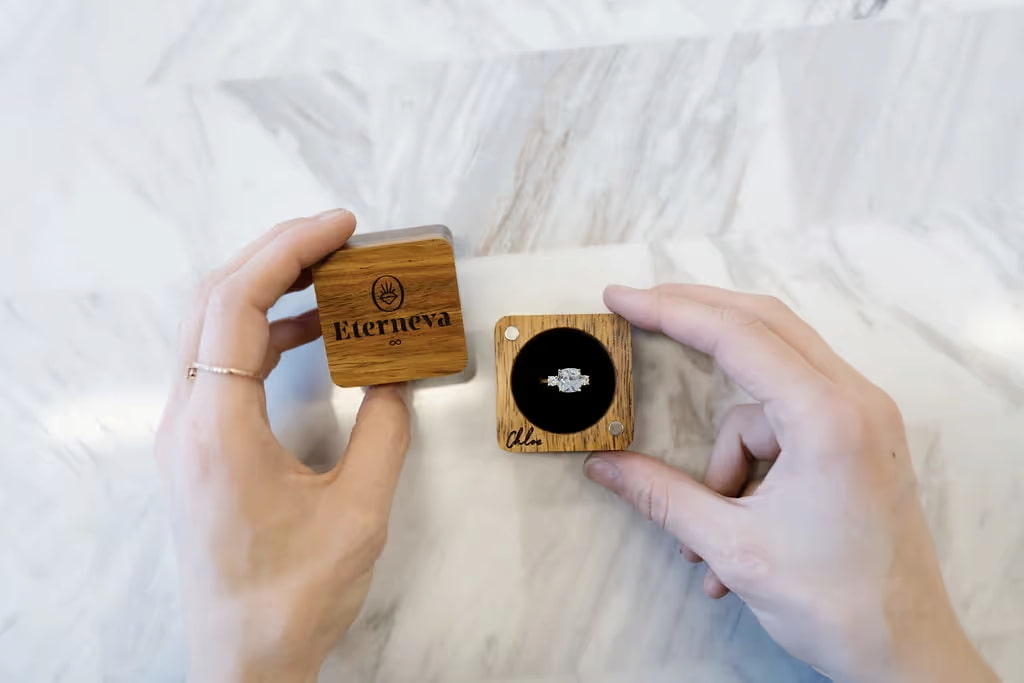
We can remember the impact and legacy of the loved ones we’ve lost through our activism and through scholarships, celebrations of life, and portable memorials, like Eterneva diamonds.
Here at Eterneva, we believe in healing through celebration, openness, and connection, and we honor our loved ones by telling their stories in a way that keeps their memory close. We take inspiration from nature and work to create symbols that honor our loved ones' lives so that we can keep them close with each new day.
These ways to remember our remarkable loved ones who have passed on and the heroes that came before them can show other members of the LGBTQ community in our lives that they are accepted and loved.
How You Can Genuinely Support the LGBTQ+ Community
The fight for LGBT rights continues even today, but it is on the backs of giants that we stand. It is a history fraught with pain and loss, but replete with community, love, and support, and filled with heroes like Marsha P. Johnson, Sylvia Rivera, Gilbert Baker, and Brenda Howard.
As members of the LGBT community or supportive allies, we can say their names, learn their stories, fly the rainbow flag, and continue their fight, through education, activism, and politics. This LGBT Pride month, join Eterneva in honoring those we’ve lost and in creating a future of acceptance for all.
Sources
Why Do We Celebrate Pride Month in June and LGBT History Month in October? | UCF
Bisexual Pioneer Brenda Howard Is the Mother of Pride | Advocate
About MPJI | Marsha P. Johnson Institute
Frequently Asked Questions
Why is it called "Pride" Month? The name "Pride" was a powerful and intentional choice. For a long time, society forced LGBTQ+ people to live with shame and secrecy. The Pride movement was a direct response to that, a way for people to publicly declare that they were not ashamed of who they are or who they love. It’s about celebrating identity with dignity and pushing back against the idea that being different is something to hide.
How are today's Pride celebrations different from the original events? The first Pride events were not parades; they were protests and riots, like the Stonewall Uprising. They were born out of a desperate need to fight for basic human rights and safety. Today's celebrations are often more festive, which is a beautiful sign of the progress that has been made. However, that celebratory spirit doesn't erase the history. Every parade is still a march, a visible declaration that the community is here and the fight for full equality continues.
Why is it so important to learn the stories of individuals like Marsha P. Johnson and Sylvia Rivera? Learning their individual stories helps us understand that history is made by real people, not abstract movements. Marsha P. Johnson and Sylvia Rivera, as trans women of color, faced incredible hardship and were often marginalized even within the gay rights movement itself. Honoring their specific contributions ensures that the full, complex history is told and that we recognize the people who were on the front lines, fighting for everyone, even when not everyone was fighting for them.
What are some simple ways I can be a supportive ally all year long? Genuine support extends far beyond the month of June. You can start by listening to and amplifying the voices of LGBTQ+ people in your own life and online. Educate yourself on the issues that affect the community today, from local legislation to healthcare access. You can also support businesses and creators owned by LGBTQ+ individuals. Most importantly, be willing to speak up against jokes or comments that are discriminatory. Consistent, everyday actions often make the biggest difference.
How does remembering a loved one connect with the spirit of Pride? At its heart, Pride is about celebrating lives lived authentically and ensuring that no one's story is erased. When we choose to memorialize a loved one, we are making a powerful statement that their life mattered and their identity was important. It's an act of love that honors their unique legacy and keeps their memory visible in the world. This act of remembrance, of telling someone's story with love and honor, perfectly mirrors the core mission of Pride.
Key Takeaways
- Pride began as a protest: Today's celebrations stand on the shoulders of the 1969 Stonewall Riots and trailblazers like Marsha P. Johnson and Brenda Howard, whose fight for visibility and basic rights paved the way for the future.
- The conversation continues online: Modern creators and activists use social media to educate, build safe communities, and share their stories, ensuring the movement for equality remains vibrant and accessible to a new generation.
- Allyship is an ongoing action: Meaningful support for the LGBTQ+ community extends beyond June. It involves learning the history, honoring the legacies of those lost, and actively contributing to a more inclusive and accepting world.