A person's story doesn't end when their life does. It continues in how we choose to remember them. Across the globe, every culture finds a unique way to honor a life well-lived. This is the true death rituals meaning: a way to celebrate, grieve, and continue their story. While beliefs about the afterlife vary, the need for a meaningful tribute is universal. Looking at the different death rituals practiced around the world shows us the countless beautiful ways we can say goodbye and keep a legacy alive.
Death rituals often bring comfort to friends and family members healing from the loss of an incredible loved one. They are performed to honor and respect loved ones that have passed, and some religions believe that death rituals help their loved ones pass into the afterlife.
Learning more about the death rituals worldwide can help us find unity in our shared experiences with grief and better understand religions different from our own.
What Defines a Death Ritual?
A death ritual is a way of honoring life and laying the deceased to rest. Death rituals differ between cultures and religions and are generally created around a religion’s belief about the afterlife.
In the Western world, the most popular death rituals are burial or cremation, typically accompanied by a memorial service. However, different religions have unique beliefs about the afterlife that inform the ways they lay cherished loved ones to rest.
Death rituals are often comforting and can provide a sense of closure by celebrating the life of a loved one, sometimes looking towards the hope for a brighter future in the afterlife. Let’s explore some of the most common death rituals in religions across the globe.
The Evolution of Death Rituals in the West
While many global traditions have remained consistent for centuries, death rituals in the West have changed quite a bit. Major historical events reshaped how society approached death and mourning. During the Plague, for example, the sheer number of deaths and fear of contagion made it nearly impossible to carry out traditional, elaborate rituals. Later, the Reformation and the Enlightenment shifted cultural authority away from the church, which had long been the primary guide for funeral traditions. This led to a gradual decline in standardized religious ceremonies and opened the door for more varied and personal approaches to saying goodbye.
Historical Shifts in Funeral Traditions
Over time, these historical shifts caused Western societies to lose some of their long-held death rituals. With the church's influence reduced, families began to take a more central role in planning memorials. The focus moved from rigid, prescribed ceremonies centered on religious doctrine to more intimate gatherings that honored the individual. This transition laid the groundwork for the modern funeral industry and the diverse practices we see today. While many contemporary funerals still incorporate religious elements, the emphasis has increasingly moved toward celebrating the unique life and personality of the person who has passed.
The Modern Trend Toward Personalization
Today, personalization is at the heart of modern funeral planning. Families are increasingly looking for unique ways to honor loved ones that truly reflect who they were. Instead of sticking to a one-size-fits-all template, people are creating deeply personal services with memory tables displaying cherished photos, video tributes sharing favorite stories, and even themed services based on a loved one’s passions or hobbies. This desire for a meaningful and lasting connection has also led to new forms of remembrance, like creating memorial diamonds from ashes, which allows families to carry a tangible piece of their loved one with them forever.
Green Funerals and Eco-Conscious Burials
This trend toward personalization also includes aligning end-of-life choices with personal values, like environmentalism. Green funerals are becoming a popular option for those who lived an eco-conscious life. These services focus on minimizing environmental impact through practices like natural burials without embalming fluids or concrete vaults. Families might choose biodegradable caskets made from sustainable materials like wicker or bamboo, ensuring that their loved one’s final act is one that honors and protects the earth. It’s another powerful way to make a final tribute feel authentic and true to the individual.
Common Funeral Practices in North America
Funeral practices in North America are incredibly diverse, reflecting the country's rich mix of cultures, religions, and regional identities. While there isn't a single "American way" to hold a funeral, many services follow a general three-part structure. This framework provides a sense of order and familiarity during a difficult time, but it’s flexible enough to be adapted to fit the specific beliefs and wishes of the family. Understanding this common structure can be helpful, whether you're planning a service or attending one to support a friend.
The Three-Part Funeral Structure
The most common funeral structure in the U.S. includes a visitation, the funeral service, and a committal service. The visitation, or wake, is typically held the day before the funeral and offers a chance for friends and family to gather, offer condolences, and view the deceased if they choose. The funeral service itself is the main event, where eulogies are shared, and rituals are performed. Finally, the committal service takes place at the cemetery or crematorium. It’s a brief, final goodbye as the loved one is laid to their final resting place.
Regional Differences and Funeral Etiquette
Beyond this basic structure, you’ll find significant regional and cultural variations. For instance, Southern funerals often feel like large family reunions, characterized by warm hospitality and plenty of food brought to the grieving family’s home. In contrast, funerals in the Midwest can be more reserved and community-focused, with neighbors and local church groups playing a central role in offering support. These differences highlight how local culture shapes the grieving process, creating unique traditions that provide comfort and a sense of community in times of loss.
Hindu Death Rituals: Guiding the Soul's Journey
Hinduism originated in India but is now practiced worldwide by approximately 1.2 billion people. One of the pillars of Hinduism is the belief in samsara, the continuous cycle of life, death, and reincarnation. The ultimate goal or purpose of the Hindu religion is reaching salvation or “moksha.” When the soul has attained salvation, their process of reincarnation ends.
Typically, Hindu death rituals occur in three parts. First, a funeral or viewing of the passed loved one occurs on the day of their death. The body remains in the home until cremation.
Cremation must happen quickly, typically between 24 to 48 hours after the passing of a loved one. This is because of the Hindu belief in reincarnation. The Hindu religion believes that after death, the body serves no purpose, for it is the soul that will experience reincarnation. Cremating the body soon after death is believed to release the soul quicker so it can pass into the next life.
Traditionally, Hindu cremations were performed on the banks of the Ganges because the waters of this river are said to help the soul leave the reincarnation cycle and attain salvation.
Hindu funerals are followed by a 10-day mourning period called a Shraddha ritual. This is where the males in a family pay homage to their loved one’s ancestors.
The Varanasi Tradition: A Sacred Farewell
In Varanasi, India, bodies are paraded through the streets by a loved one’s friends and family members. The bodies are dressed in colors representing the deceased’s many virtues to honor their remarkable life. The parade ends by sprinkling our loved ones with water from the Ganges River before cremation. This is said to help the soul reach salvation and complete the cycle of reincarnation.
Cremation and Its Exceptions
For most families in the Hindu faith, cremation is the chosen path for laying a loved one to rest. This is because fire is seen as a sacred purifier, a way to help the soul move from the physical world to the spiritual one and continue its journey toward reincarnation. The act itself is considered a final, meaningful sacrifice. But this practice isn't universal for all followers. There are a few important exceptions to cremation, as very young children and revered holy people, known as sadhus, are usually buried. This different approach honors their unique spiritual status and perceived purity, setting their final farewell apart from the traditional path of fire.
Buddhist Death Rituals: Embracing Impermanence
Buddhism is a religion practiced by approximately 506 million people across the world. Buddhists believe that life is a cycle of suffering and rebirth, with the ultimate goal being to reach nirvana or enlightenment.
Buddhist death rituals focus on passing the soul of a loved one on to the next life. This begins as the loved one is dying. Family members will create a peaceful and serene environment for their loved ones to pass.
After the body has entered death, it is customary not to touch or disturb the body for four hours because Buddhists believe that the soul does not leave the body immediately.
Once the loved one has passed, the Buddhist death ritual typically involves a memorial ceremony performed by a monk. The body is then cremated for similar reasons to Hindu tradition—the body is not believed to hold significance after death but rather a place for the soul to reside in life.
Sky Burials and Other Tibetan Practices
For Buddhists residing in Tibet, their death rituals may occur differently than Buddhists in other parts of the world. One death ritual common to Tibetan Buddhists is a sky burial.
First, the deceased loved one is wrapped in white Tibetan cloth and prepared for the sky burial. They are then placed in a corner of the home for three to five days, where scripture is read over them by monks to release the soul from purgatory.
On a date chosen by the family, the body is taken to a burial site in the mountains. Incense is then burned, creating smoke to attract vultures who consume the loved one’s remains.
Tibetan Buddhists believe that if vultures consume the body after death, it signifies that the individual has no sin and will enter heaven. Sky burials are performed to redeem the sins of the dead.
The Role of the Bardo Thodol
A key element in Tibetan Buddhist practices is a text known as the Bardo Thodol, often called the Tibetan Book of the Dead. This text acts as a spiritual guide for a loved one’s consciousness during the 49-day period between death and rebirth, known as the bardo. A lama recites passages from the book, believing the person who has passed can still hear the words and be guided through the confusion of the afterlife toward a peaceful rebirth. This ritual isn't just for the person who has died; it also provides a profound sense of purpose for the grieving family. By actively participating in a ritual to support their loved one’s journey, it helps them channel their grief into a positive and healing act of love and remembrance.
Islamic Death Rituals: A Swift Return to Earth
Islam is the world’s second-largest religion, with over 1.9 billion followers. The Islamic faith believes in an afterlife or Paradise. Unlike Buddhism and Hinduism, there is no cycle of life or reincarnation for Muslims. Whether they enter Paradise depends upon how they spent their life on Earth.
When a Muslim person dies, there are a few customary death rituals.
Typically, there is no viewing or funeral procession because it is customary to bury the body as quickly as possible without embalming. Before burial, the body is washed and covered with a sheet.
Because Muslims believe in Judgment Day — when Allah decides if the Muslim people will spend their afterlife in Paradise or separated from Paradise — cremation is forbidden. This belief is that bodies are not merely an empty vessel, and all bodies will be raised from the dead on Judgment Day.
Burial Practices and Beliefs
The Islamic funeral process is guided by rituals that honor the deceased and prepare them for what comes next. After a person passes, their body is respectfully washed by family members of the same gender and then wrapped in a simple white cloth called a kafan. This act symbolizes purity and the idea that all people are equal before God. The community then gathers for a special prayer, the Salat al-Janazah, to ask for forgiveness for the person who has died. The burial itself happens very quickly, often within 24 hours. The body is laid to rest on its right side, facing Mecca, and usually without a casket. These specific burial customs highlight the faith’s focus on a simple and natural return to the earth, rooted in the belief that the body will be physically resurrected on Judgment Day.
Catholic Death Rituals: From Vigil to Burial
Catholicism is observed by approximately 1.2 billion people worldwide, from New York to New Orleans to Europe and everywhere in between. Like Protestant Christians, Catholicism is centered around the life, death, and resurrection of Jesus Christ.
Catholics believe in an afterlife where a soul can go to heaven or purgatory. If a soul goes to purgatory, it can be purified to reach heaven. The Catholic death ritual consists of three main components: the wake, the funeral mass, and the committal.
A wake is a time for family and friends to gather for prayer and to recite the rosary prayer. Family and friends will also share memories of their loved ones to celebrate their remarkable life.
During the funeral mass, the soul is believed to return to God. This takes place within a Catholic church and is conducted by a priest. Holy water is sprinkled on the loved ones, and their casket is prepared for burial.
The committal is when the body is committed to a resting place. This may be the time when the casket is lowered into the ground or the body is cremated.
Protestant Views on Cremation
Unlike some other Christian denominations with more rigid historical views, Protestantism generally views cremation as a personal choice. The core theological belief in the resurrection of the soul means that the state of the physical body after death is not the primary concern for salvation. Because the focus is on the soul's journey to the afterlife, families are free to choose the option that feels most right for them and their loved one. This flexibility allows for a more personalized approach to memorializing someone, opening the door to modern tributes that honor their unique life without being bound by strict tradition. It empowers families to make decisions rooted in love and personal meaning.
While cremation is widely accepted, many Protestant churches still encourage holding a funeral service with the full body present before the cremation occurs. This practice beautifully blends traditional rites with modern preferences, allowing family and friends to gather for a formal farewell and honor the body before its final disposition. After cremation, families have many meaningful options for the ashes. They can be scattered in a special place, kept at home in an urn, or even transformed into a beautiful, lasting tribute that can be cherished for generations. For example, creating a memorial diamond from the ashes allows you to carry a tangible piece of your loved one with you, keeping their memory and story close forever.
Jewish Death Rituals: Honoring Community and Tradition
Judaism is practiced by over 14 million people across the globe. A death ritual unique to Judaism is “Uriah,” the act of tearing one's clothing as a sign of loss and grief at the passing of a loved one.
Once a loved one enters death, they are washed and clothed for burial. The washing is an act of purification called “Tahara.” Tahara is performed by a funeral director and their staff. Procedures such as reciting psalms and hymns are practiced during purification rituals. The body is then dressed in shrouds for burial.
In between purification and burial, the body is never left alone as an act of respect for the deceased. A watcher or guardian is hired to remain with your loved one until it is time for burial.
Burial ceremonies occur at the sight of burial instead of inside a synagogue.
The Shiva Mourning Period
Following the burial, the immediate family begins a seven-day period of intense mourning known as Shiva. This is a dedicated time for grieving, where mourners step away from their daily routines to focus on their loss. During Shiva, it's common for families to cover mirrors and light a memorial candle that burns for the full seven days. The community plays a vital role in this process; friends and family visit the home to offer comfort, share memories, and often bring food so the mourners don't have to worry about cooking. This communal support system is fundamental, creating a space for shared remembrance and ensuring that no one has to grieve alone. It's a powerful tradition that honors both the deceased and the community they left behind.
Zoroastrian Death Rituals: A Return to Nature
The Zoroastrian religion is one of the world’s oldest religions, originating in Persia. Zoroastrian religion believes in heaven and hell, depending on their good deeds on earth.
In Zoroastrianism, death is believed to come from evil forces. This inspired the Tower of Silence, a death ritual of Zoroastrianism. The Tower of Silence is the same in practice as the Tibetan sky burial, but the motivations differ.
While Tibetan sky burial is meant to redeem sin and bring the body closer to heaven, the Zoroastrian Tower of Silence was created to keep evil away. When a person dies, it is believed that evil overtakes the body. Exposing the body to the elements and vultures eliminates that evil.
Sikh Death Rituals: A Focus on the Soul's Journey
In the Sikh faith, the soul is viewed as a part of God, embarking on a journey through multiple lifetimes. This cycle of reincarnation continues until the soul achieves liberation, or *mukti*, and reunites with the divine. Because the physical body is considered a temporary vessel for this eternal soul, cremation is the most common practice after a loved one passes. The focus is not on the loss of the physical form but on the soul's progression. This perspective shapes the entire funeral process, making it a time for reflection on life's spiritual purpose and the soul's ultimate return to its source.
The funeral ceremony, known as *Atam Sanskar*, is centered on this belief in the soul's journey. Rather than being a time for loud displays of grief, the service is a peaceful occasion for prayer and remembrance, intended to support the soul's transition. Family members often recite hymns from the *Guru Granth Sahib*, the Sikh holy book, and as a person nears death, they are encouraged to focus their thoughts on God by repeating the name *Waheguru*. The entire community comes together to provide comfort, emphasizing a collective experience of remembrance and spiritual support for the grieving family during this tender time.
Following the cremation, the ashes are typically collected and scattered in a body of flowing water, like a river or the sea, symbolizing the individual's return to nature. The family may then observe a period of mourning, which often involves reading the entire *Guru Granth Sahib* to bring peace and closure. While scattering ashes is a beautiful and long-held tradition, many families today also seek tangible ways to keep the memory of their loved one present, finding comfort in a lasting tribute that honors their unique spirit and the incredible love they shared.
Unique Death Rituals Around the World
While death rituals vary between religions, communities worldwide observe unique cultural traditions and traditional funeral ceremonies to celebrate the incredible relationships that helped shape their lives.
Whether their loved one’s final resting place is rooted in cremation services, burial, or another death ritual, each memorial has honored the impact and legacy of remarkable people for generations.
South Korea: From Burial to "Death Beads"
Burial beads are a common death ritual in South Korea. Much like Eterneva’s memorial diamonds, burial beads are beads created from cremated ashes of loved ones.
This tradition began because of a law passed in 2000 requiring families to remove their buried loved ones from their graves after 60 years due to limited space in graveyards around South Korea.
Burial beads became a beautiful and practical way to celebrate a remarkable life and keep deceased loved ones near. Unlike memorial diamonds, burial beads are generally not worn but kept in glass containers or dishes.
Many South Korean funeral services are rooted in Confucian beliefs—centered around honoring the dead so their spirits may pass to the afterlife—so burial beads became a thoughtful way to honor loved ones who have passed.
Madagascar: Dancing with the Ancestors
Famadihana is a popular death ritual known as Madagascar’s Day of the Dead. Famadihana means “the turning of the ancestor’s bodies” or “turning of the bones.” Famadihana is a funeral practice occurring every few years in which the deceased's immediate family will unearth their ancestors from the grave and re-wrap them in new cloth.
This burial ritual is performed by the Malagasy people, who practice a combination of Christian and traditional beliefs. The Malagasy people do not believe in heaven or hell but that their ancestors are an intervening force between them and God.
This funeral tradition aims to introduce new family members to deceased ancestors and keep the memory of loved ones alive. Famadihana is also a time to strengthen familial ties.
Famadihana is a two-day funeral ritual characterized by celebration, not sorrow. The first day of Famadihana is known as “the entry day,” while the second day is “wrapping day.”
During Famadihana, the ancestors' remains are laid out, cleaned, and wrapped in new burial clothing. It is believed that the spirit of the ancestors can protect and bless their families if their bodies receive proper care.
The Philippines: The Hanging Coffins of Sagada
Catholics in the Philippines practice a 40-day death ritual to honor the life of loved ones who’ve passed. On the 9th day, Filipino traditions explain that the soul will pass from the body into the afterlife. For this reason, mourners will prepare food to celebrate the soul’s passing. On the 40th day, the family will recite the rosary.
Tana Toraja, Indonesia: Elaborate Community Farewells
In the Tana Toraja region of Indonesia, funerals are incredibly elaborate community events that can last for many days. Because these ceremonies are so expensive, families often keep the body of their loved one in the home for months or even years, treating them as if they are simply sick until they can save enough money for a proper farewell. During the funeral itself, families sacrifice animals like water buffalo as gifts for the deceased, believing the buffalo will accompany them to the afterlife. The horns are then kept and used to decorate the family home, serving as a lasting tribute to the life that was celebrated.
Mexico's Día de los Muertos: A Celebration of Life
Día de los Muertos, or the Day of the Dead, is a vibrant and joyful multi-day holiday celebrated throughout Mexico. Rather than mourning, families gather to celebrate the lives of their departed loved ones. They create colorful altars, called ofrendas, in their homes, decorating them with photos, candles, and the favorite foods and drinks of the deceased. The core belief is that on these days, the spirits of the dead return to visit the living. This beautiful tradition is meant to ensure that loved ones are never forgotten, as the true "second death" is believed to occur only when no one is left to remember you.
The New Orleans Jazz Funeral: From Sorrow to Celebration
The New Orleans jazz funeral is a powerful tradition that perfectly captures the city's spirit of resilience and celebration. A blend of West African and European customs, this procession is a moving tribute that honors both the sorrow of loss and the joy of a life well-lived. As the band and mourners, known as the "second line," make their way to the cemetery, they play somber dirges and hymns. After the burial, however, the mood shifts dramatically. The band strikes up lively, upbeat jazz music, and the second line begins to dance, celebrating the release of the soul and the incredible life of the person they loved.
Balinese Cremation: A Joyful Release of the Soul
In Bali, cremation ceremonies, known as Ngaben, are seen as joyful and spectacular events rather than somber occasions. For Balinese Hindus, death is not an end but a transition. They believe the body is a temporary vessel for the soul, and cremation is a sacred duty required to release the soul from its earthly ties. This liberation allows the soul to ascend to the heavens and begin the process of reincarnation into a new body. The elaborate and festive nature of the ceremony is a final act of love, helping to ensure the soul has a smooth and happy journey onward.
Lakota Traditions: The Soul's Journey Onward
The Lakota people, a Native American tribe, hold the belief that the soul continues its journey after death, a concept they refer to as "walking on" rather than "passing away." Grief is expressed openly through crying, singing, and sometimes cutting one's hair as an outward sign of mourning. A central part of their tradition involves creating a "soul bundle" containing a lock of the deceased's hair and other personal items. A family member will keep this sacred bundle for about a year, honoring the spirit before a final ceremony is held to release the soul to continue its journey into the spirit world.
How Modern Death Rituals Are Changing
While many people are familiar with death rituals such as burial and cremation, there are plenty of ways modern cultures celebrate the lives of those who have passed.
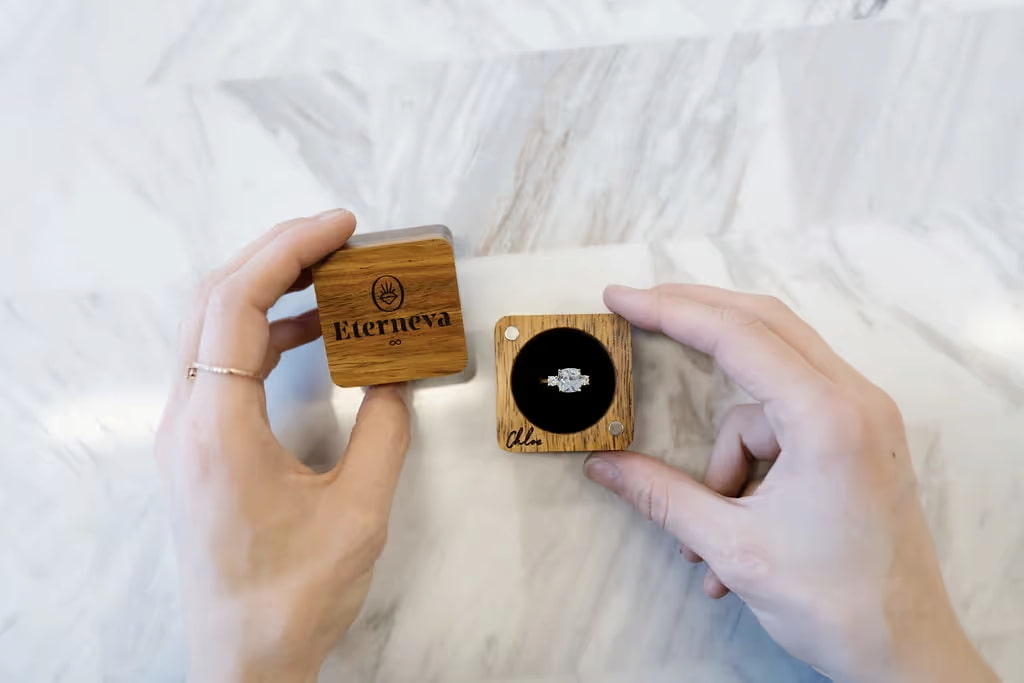
Today, many people choose to create a memorial diamond from the carbon in their loved one’s ashes if their loved ones were cremated. Scientists can grow an authentic diamond in a lab using our loved one’s carbon as a diamond seed by replicating the heat and pressure found in the Earth's mantle.
Memorial diamonds are a thoughtful and enduring way to honor the impact and legacy of our deceased loved ones, and we can carry these portable memorials with us wherever our lives take us.
Creating New, Tangible Memorials
As traditions evolve, many are finding new ways to create tangible memorials that feel more personal and lasting. Instead of a stationary gravesite, people are seeking ways to keep a physical part of their loved one close, offering a touchstone for comfort and remembrance. This has led to beautiful innovations that blend science with sentiment. For instance, the carbon from a loved one’s ashes or hair can be used to grow an authentic diamond in a lab, creating a stunning and deeply personal piece of jewelry. This modern ritual transforms the final remains into a radiant symbol of a remarkable life, allowing you to carry their story with you. Similar traditions, like the creation of burial beads in South Korea, also turn ashes into a physical keepsake, though these are often displayed rather than worn. These new practices offer a profound way to honor a legacy, creating a beautiful connection that endures.
The Common Thread: Honoring a Life Lived
Death is universal across ethnic groups and continents despite cultural and religious differences. Each community has funeral rites and observances that celebrate the remarkable loved ones who have touched their lives, from the fantasy coffins of Ghana to the Famadihana traditions of Madagascar.
Many are acquainted with the loss and grief that comes with the passing of a loved one. While quenching the deep feelings of grief is no small feat, death rituals are one way many cultures and religions continue along their healing journey. They are a way to honor a life well-lived and provide comfort and closure to friends and family.
Sources:
Tahara, Preparing the Body for Burial | My Jewish Learning
Remembering at Death: Funeral and Related Rituals | USU
Factsheet: Death and funerals in world religions | Religion Media Centre
Frequently Asked Questions
Why are there so many different death rituals around the world? Death rituals are deeply tied to a culture's core beliefs about life, death, and what comes next. A group's views on the soul, the purpose of the physical body after death, and the concept of an afterlife all shape how they say goodbye. For example, faiths that believe in reincarnation often see the body as a temporary vessel, which is why cremation is common. In contrast, religions that believe in a physical resurrection see the body as sacred, making burial a necessary practice.
What is the common thread that connects all these different practices? Despite the incredible diversity, every ritual shares the same fundamental purpose: to honor a life well-lived. They provide a structured way for a community to grieve together, celebrate the person they lost, and find a sense of closure. Whether it's a joyful parade or a quiet period of mourning, the goal is to acknowledge the impact of a person's life and ensure their story continues.
How can I create a meaningful ritual if my family isn't religious or doesn't follow a specific tradition? This is where personalization becomes so important. A meaningful tribute doesn't have to follow a set script. Instead, you can focus on what made your loved one unique. Think about their passions, their values, and their personality. You could plan a service around their favorite music, share stories at a place they loved, or align their final arrangements with their values, like choosing an eco-conscious green burial. The most powerful rituals are the ones that feel authentic to the person you're honoring.
Why is cremation a central practice in some faiths but forbidden in others? The difference comes down to beliefs about the physical body. In faiths like Hinduism and Buddhism, the body is seen as a temporary container for the soul. Cremation is viewed as a way to purify and release the soul, allowing it to continue its journey toward reincarnation or enlightenment. In faiths like Islam and Judaism, the body is considered sacred and is believed to be essential for a future resurrection. For this reason, preserving the body through burial is a critical part of their religious practice.
Are modern options like memorial diamonds meant to replace traditional funerals? Not at all. Think of them as a continuation of the memorial process rather than a replacement. A funeral or memorial service is a vital event that brings a community together to grieve and honor someone shortly after they've passed. A modern tribute, like creating a diamond from ashes, offers a lasting and personal way to keep a loved one's memory close for the years and decades that follow. It provides a tangible connection you can carry with you, complementing the initial farewell ceremonies.
Key Takeaways
- Honoring Life is a Universal Goal: Across different cultures and religions, funeral rituals serve the same core functions: to celebrate the person who has passed, comfort those left behind, and provide a meaningful way to say goodbye.
- Modern Tributes Reflect Unique Lives: Many people are moving toward personalized memorials that truly capture a loved one's spirit, from green burials that honor their values to creating tangible keepsakes like memorial diamonds that carry their story forward.
- Beliefs Shape the Final Journey: A community's view on the afterlife is the primary influence on its death rituals, determining whether practices focus on reincarnation, resurrection, or the soul's release into the spirit world.