Memorial Diamond Buying Guide: Everything You Need to Know
How to Choose a Memorial Diamond Company: A Complete Guide
After losing someone you love, you want a memorial that truly honors who they were—not a generic keepsake, but something as rare and enduring as the life they lived. A memorial diamond transforms the carbon from your loved one's cremated remains into a genuine, laboratory-grown diamond you can wear, hold, and pass down through generations.
But this is also one of the most emotional purchases you'll ever make. That's why understanding the process, the science, and what separates a trustworthy company from a questionable one is so important before you commit.
This guide covers everything you need to know.
What Is a Memorial Diamond?
A memorial diamond is a real, laboratory-grown diamond created from the carbon extracted from cremation ashes or hair. It is chemically, physically, and optically identical to a natural diamond—the only difference is origin. Your loved one's carbon becomes the raw material; science and craftsmanship do the rest.
Memorial diamonds are sometimes called cremation diamonds, ashes-to-diamonds, or tribute diamonds. Regardless of the name, the core process is the same: carbon is extracted from remains, purified, and grown into a diamond under extreme heat and pressure.
How Memorial Diamonds Are Made
Understanding the process helps you ask better questions and evaluate company claims with confidence.
Step 1: Carbon Collection
Most companies request approximately one cup of cremated remains, or a smaller quantity of hair. Human hair is roughly 45% carbon by weight, making it an efficient source. Cremation ashes contain far less carbon—typically 0.5–5% by weight—because the high heat of cremation converts much of the organic material into other compounds. The rest of the ash is primarily calcium phosphate from bone.
Step 2: Carbon Purification
Once the lab receives the remains, technicians isolate and purify the carbon from other elements such as calcium, phosphorus, and trace metals. Through a series of controlled heat treatments in an inert atmosphere, non-carbon materials are burned away. The result is highly purified carbon—ideally 99.9% or better—which is then converted into graphite, the crystalline carbon form that serves as the growth medium for diamond formation.
This stage is where documentation matters most. A trustworthy company will provide photos and records proving your loved one's material is being handled with the care it deserves.
Step 3: Diamond Growth via HPHT
Virtually all memorial diamond companies use HPHT (High Pressure High Temperature) technology to grow the diamond. HPHT replicates the natural conditions found deep within the Earth—roughly 50,000 times atmospheric pressure and temperatures between 1,300–1,600°C. Under these conditions, over a period of several weeks to months, the purified carbon crystallizes into a rough diamond.
HPHT is the preferred method for memorial diamonds for several reasons: it is well-suited to growing colored diamonds, it naturally incorporates nitrogen from the carbon source (which is essential for authenticity verification), and it allows for the personalized, small-batch production required when every stone comes from an individual person.
Note: CVD (Chemical Vapor Deposition) is an alternative diamond-growing technology, but it actively rejects nitrogen, making it impossible to verify that the carbon came from a specific individual's remains. This is why over 95% of memorial diamond companies use HPHT exclusively.
Step 4: Cutting and Polishing
The rough diamond is cut and polished exactly like any other diamond—by skilled craftspeople who plan the shape, facet the stone, and bring out its brilliance. This process typically reduces the rough weight by 40–60%, which is why the final carat weight is always smaller than the rough crystal that came out of the growth chamber. Reputable companies will explain this clearly upfront.
Step 5: Grading and Certification
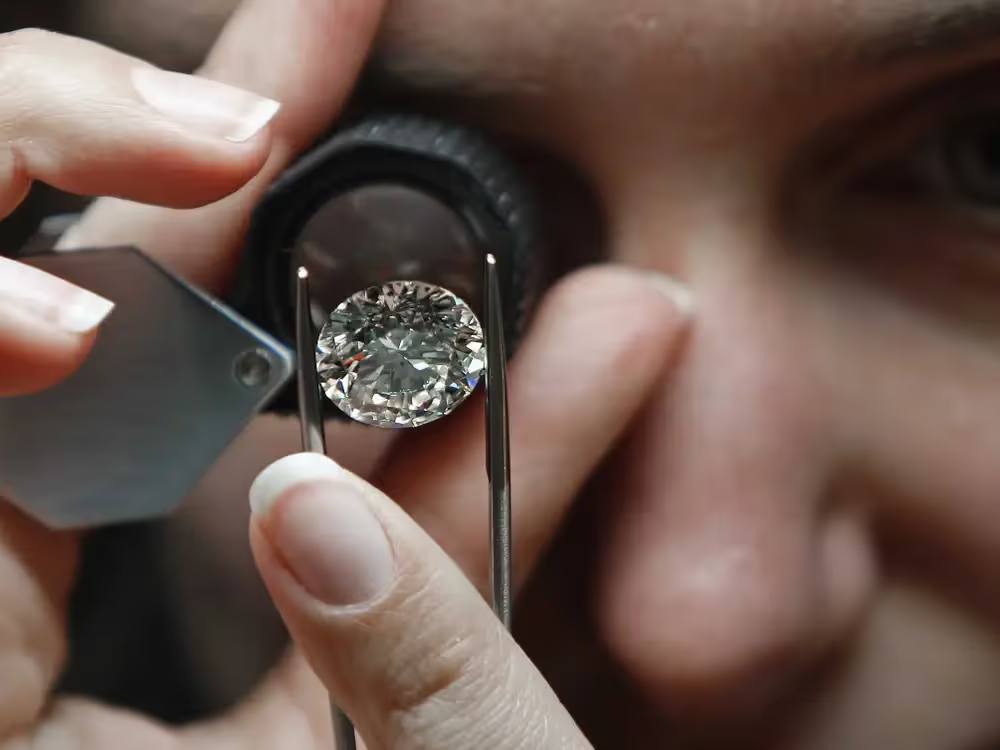
A finished memorial diamond should come with a grading report from an independent gemological laboratory such as IGI (International Gemological Institute) or GIA (Gemological Institute of America). The report documents the diamond's carat weight, color, clarity, and cut—the 4Cs—and verifies that the stone is a genuine diamond.
Equally important is laser inscription: a microscopic unique ID etched onto the girdle of the diamond that corresponds to the grading report. This allows you to confirm your specific stone's identity.
Step 6: Chain of Custody Documentation
A grading report tells you the diamond is real. Chain of custody documentation tells you it came from your loved one.
This is the most critical differentiator between a trustworthy memorial diamond company and one making empty promises. Chain of custody means a clear, documented record—with photos, timestamps, and written summaries—showing exactly where your loved one's material was at every stage of the process, who handled it, and how it was transformed.
Top-tier companies provide weekly photo updates, barcode tracking, numbered growth cells with video documentation, and online tracking portals. Some, like Eterneva, even welcome families to visit their facility in person.
What to Expect: Pricing
Memorial diamonds are priced differently from standard lab-grown diamonds because each stone is grown from a unique, single carbon source—a fundamentally more complex and lower-yield process than mass-producing generic lab diamonds.
General Pricing Guide:
- 0.25 carat: Approximately $2,500–$3,500
- 0.50 carat: Approximately $4,500–$8,000
- 0.75 carat: Approximately $6,500–$12,000
- 1.00 carat: Approximately $8,500–$20,000+
Color Impact: Color also affects price significantly. Yellow diamonds (produced by nitrogen in the carbon) are the most accessible. Colorless and blue diamonds require additional processing and typically carry a premium.
Important Warning: Any company offering a memorial diamond for under $2,000 should raise serious concerns. Growing a genuine diamond from a single person's carbon is labor-intensive and scientifically demanding. Prices below market rate often indicate the use of cheap simulants (like cubic zirconia or moissanite), outsourced or unverified processes, or outright fraud.
The 4Cs of Memorial Diamonds
The same quality framework used to evaluate natural and standard lab-grown diamonds applies to memorial diamonds.
- Carat refers to the weight of the diamond (1 carat = 0.2 grams). Size choices typically range from 0.25ct to 1.0ct or larger, though availability depends on the carbon yield from your specific source material.
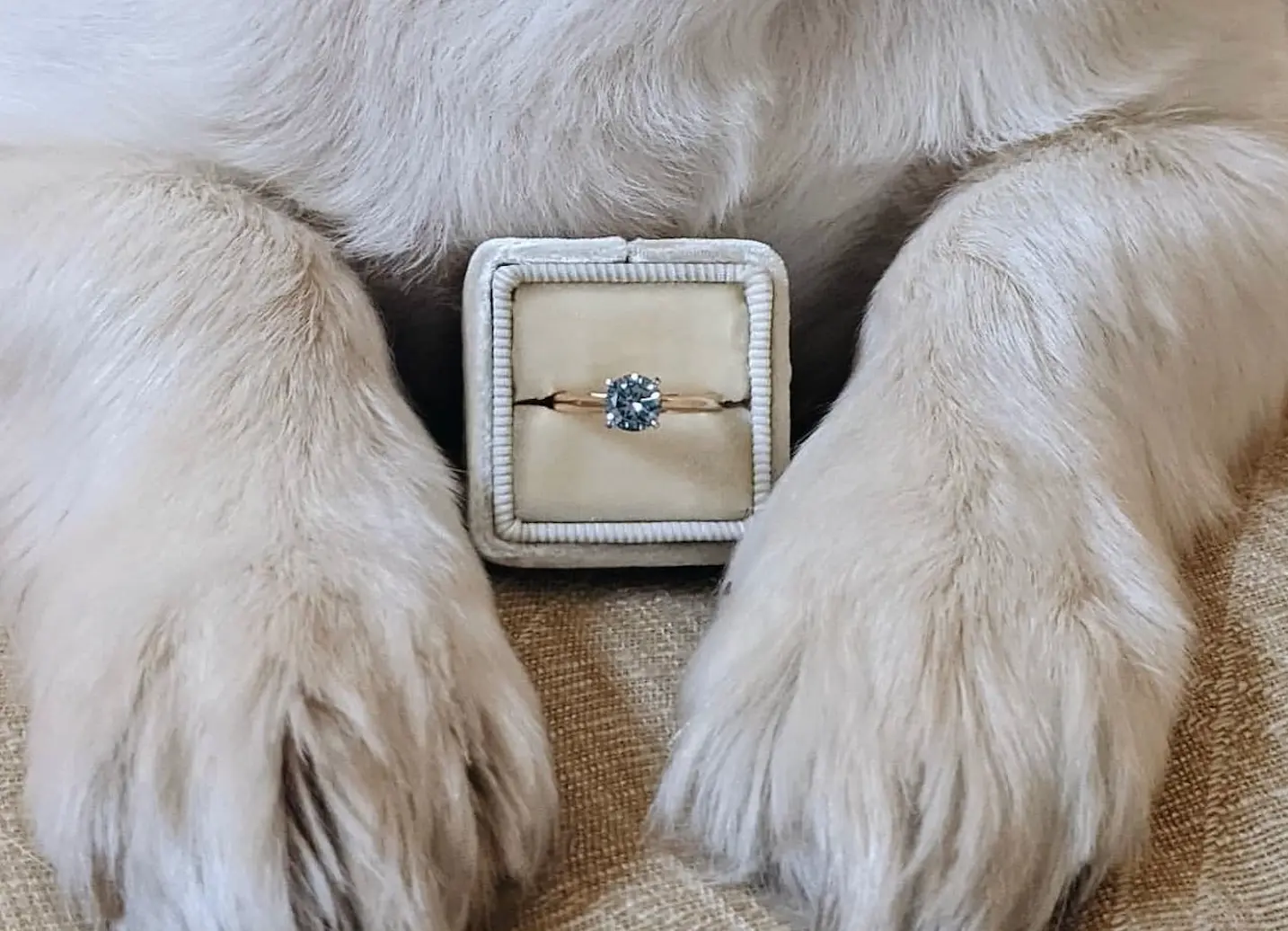
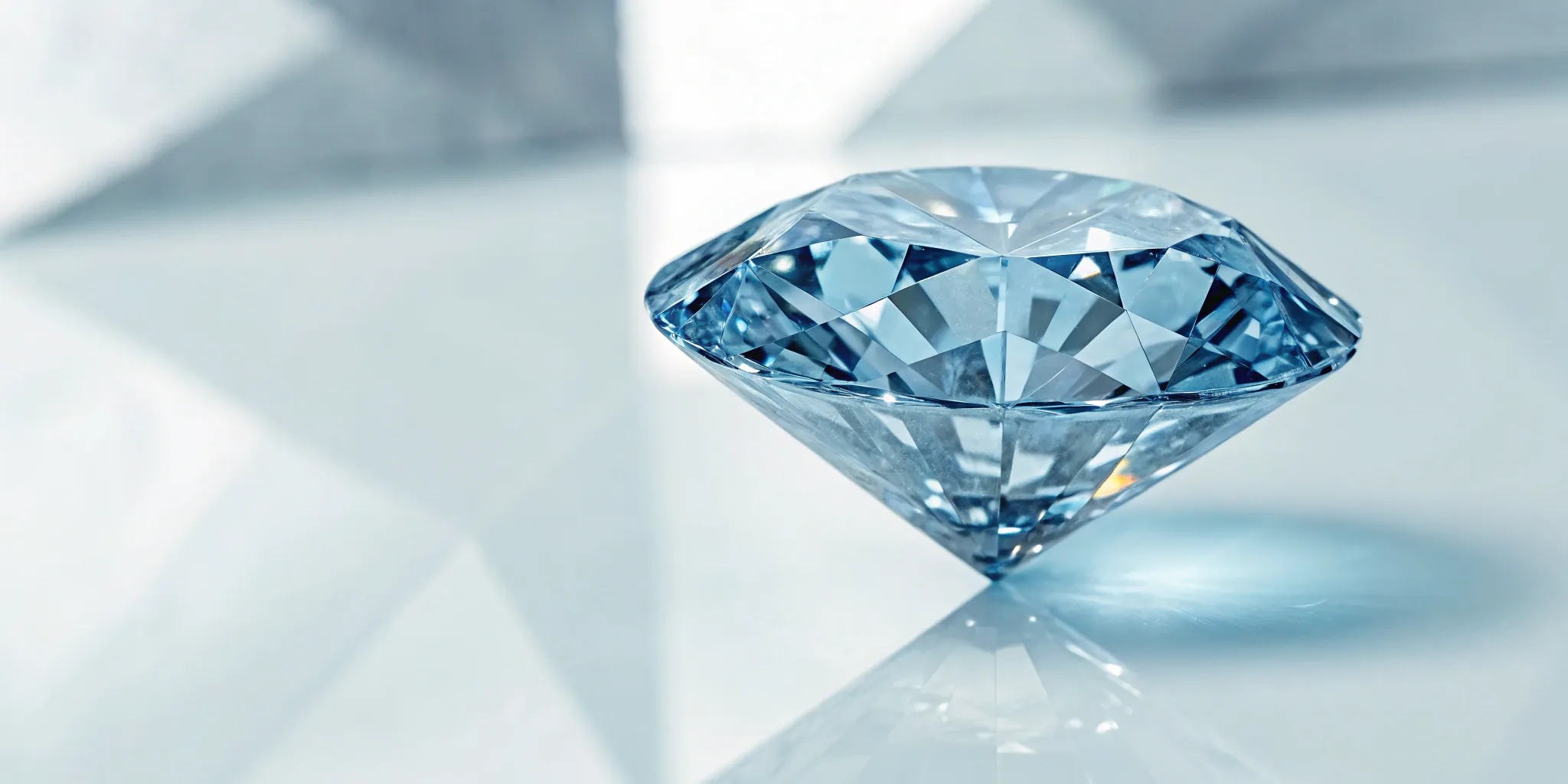
- Color is often a meaningful choice in memorial diamonds. Yellow is the most natural result of nitrogen incorporated from human remains. Blue can be achieved by introducing boron during the growth process. Colorless diamonds require careful control to remove color-causing impurities.
- Clarity describes the presence or absence of internal inclusions or surface blemishes. Memorial diamonds can achieve VS (Very Slightly Included) to VVS (Very Very Slightly Included) clarity grades, meaning inclusions are invisible to the naked eye.
- Cut determines how well the diamond reflects light. Common cuts for memorial diamonds include round brilliant, princess, cushion, oval, and emerald. The choice is entirely personal.
How to Choose a Memorial Diamond Company
This is a permanent, meaningful, and significant financial decision. Take the time to evaluate companies carefully before committing.
Ask These Critical Questions
- Do you own and operate your own growth facility? Some companies outsource growth to third-party labs. This isn't automatically disqualifying—but it must be disclosed.
- What chain of custody documentation will I receive? You should receive documentation at every stage—not just a certificate at the end.
- What grading certification is included? IGI or GIA grading should be standard, not an expensive add-on.
- Can I visit your facility? Companies with nothing to hide welcome this question.
- What happens if something goes wrong with my order? No process is perfect. What matters is how a company communicates problems.
Red Flags to Watch For
- Pricing under $2,000 for any diamond size.
- No real facility photos—only stock images or AI-generated imagery.
- Vague or evasive answers about chain of custody.
- No independent lab grading report (IGI/GIA).
- Claims that cannot be independently verified.
- Pressure to upgrade or upsell during a vulnerable time.
- Inconsistent reviews across multiple platforms.
Green Flags That Signal Trustworthiness
- Physical lab tours available by appointment.
- Weekly photo updates during the growth process.
- Barcode or numbered-cell tracking with video documentation.
- IGI or GIA certification included as standard.
- Clear, detailed pricing with no hidden fees.
- Strong, consistent reviews across Google, Facebook, and Trustpilot.
- Responsive customer service team with experience supporting grieving families.
Why Eterneva
Eterneva was founded in 2016 after our co-founder lost her mentor and discovered, while searching for a meaningful tribute, that the memorial diamond industry lacked the transparency it deserved. That experience shaped everything about how Eterneva operates today.
Eterneva is the only memorial diamond company with an enterprise-audited supply chain—verified through partnerships with SCI, Batesville, and Homesteaders, the leading names in end-of-life care. Our process includes a numbered crucible system with video documentation at every stage, barcode tracking from receipt to delivery, weekly email updates with photos, and an online tracking portal so you always know exactly where your loved one's diamond is.
We provide IGI grading reports as standard, welcome family visits to our Kerrville, Texas headquarters, and have a customer support team trained not only in diamond expertise but in grief support. Because we understand this isn't just a purchase—it's a tribute to a life.
Learn more about Eterneva's process →
Key Takeaways
- Memorial diamonds are real diamonds—chemically and structurally identical to natural diamonds, grown from the carbon of your loved one's remains.
- HPHT is the standard technology for memorial diamonds. It integrates nitrogen from the carbon source, making isotopic verification possible.
- Chain of custody documentation is the most important thing to verify—a grading report confirms the stone is a diamond, but only chain of custody proves it came from your loved one.
- Expect to pay $2,500–$20,000+ depending on size and color. Prices under $2,000 are a serious red flag.
- Ask five questions before choosing a company: Do you own your facility? What documentation will I receive? Is grading included? Can I visit? What happens if something goes wrong?
- Eterneva leads the industry in transparency, with enterprise-audited supply chains, weekly updates, facility tours, and dedicated grief-informed customer support.