The Light We Carry
The more intimately we come to know death, the more fully we can learn to live.
Barbie Herron Conkling · Ceremonial Death Midwife & Reiki Practitioner
A ceremonial death midwife and Reiki practitioner, Barbie has accompanied families through the end of life since 2019.
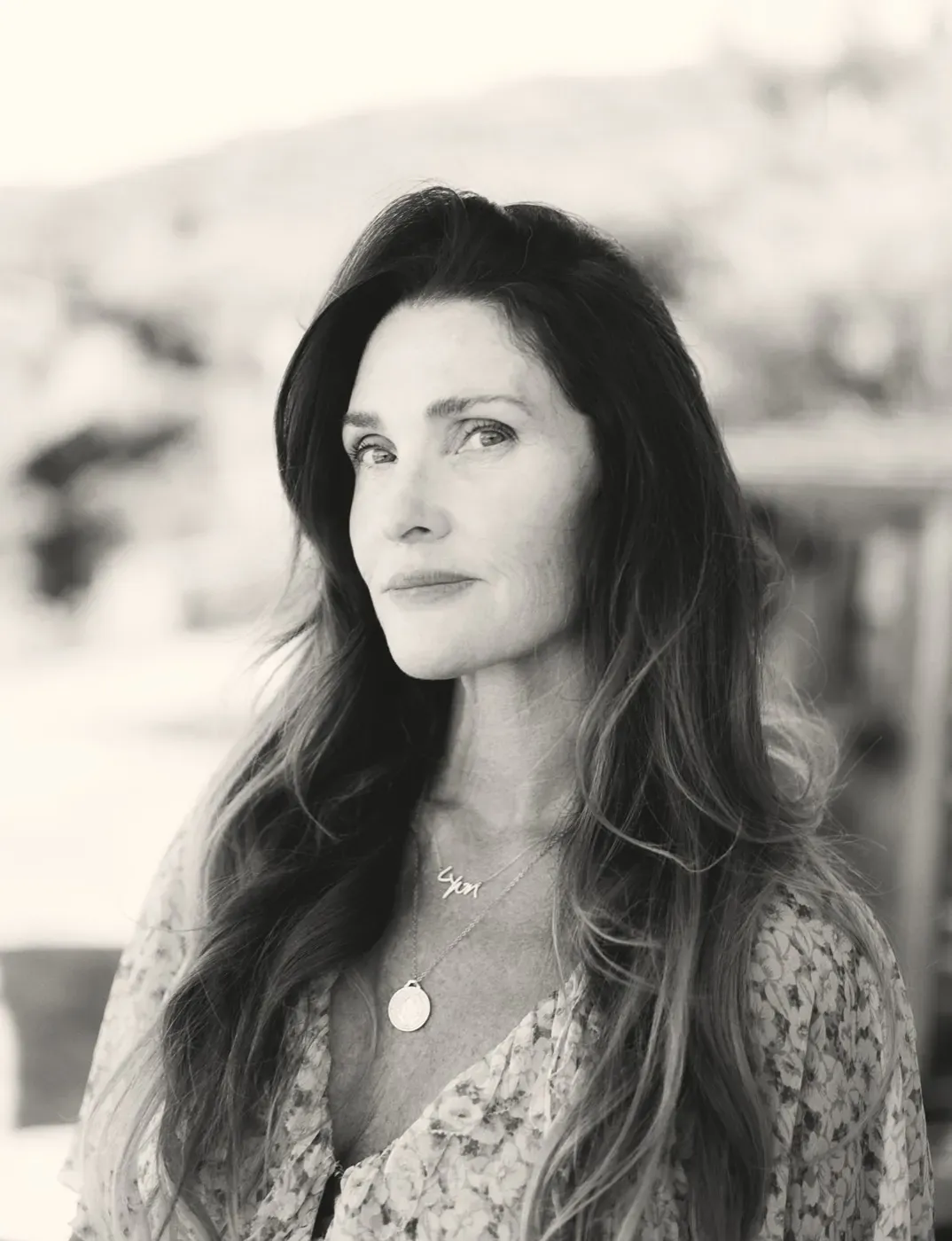
About this conversation
The Light We Carry is an Eterneva series of conversations with people who spend their lives close to grief, death, and remembrance.
Barbie Herron Conkling is a ceremonial death midwife and Reiki practitioner who has accompanied individuals and families through the end of life since 2019. Before that, she was a birth doula.
We spoke with her about walking her son, Lyon, through his own transition, what a “good death” means to her, and the reverence for life she carries from this work.
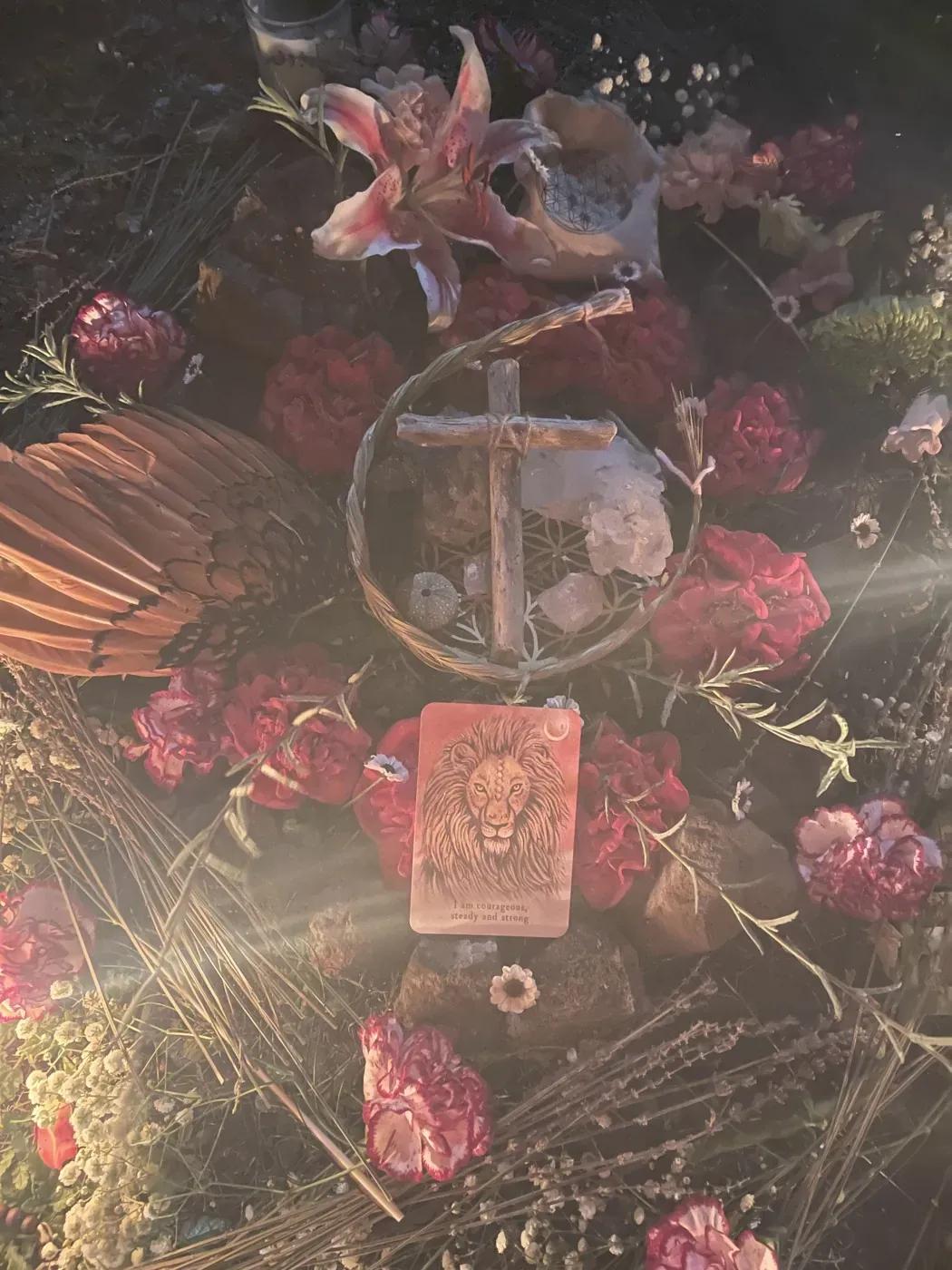
“Despite all the loss I’ve witnessed and experienced, I haven’t lost my love for life. If anything, death has taught me how precious it truly is.”
What brought you to this work? Was there a person or moment that made it clear?
I feel as though this work found me in time. From a young age, I had a deep curiosity surrounding death and dying. Many people close to me had transitioned, and my elders came from a generation where death was considered taboo. We didn’t talk about grief, feelings, or what actually took place when someone died. My loved ones were here one day and gone the next, and that was that. I was left with a wild imagination that created its own stories to fill in the spaces where answers were missing.
As I matured, that curiosity evolved into a desire to seek the answers my heart and mind needed. As more of my family passed away, I felt increasingly called to be present with them, to become intimate with death rather than turn away from it. Somewhere along the way, that intimacy transformed my fears into something beyond beautiful.
It felt like a soul download, a deep inner knowing that this was the work I came here to do. To help melt away the fear surrounding death and bring presence, compassion, and ceremony back into one of life’s most sacred transitions.
I was a birth doula in the ’90s, and over time, I came to understand that death, much like birth, is a sacred rite of passage. There is something profoundly powerful about bearing witness to both the beginning and the end of life.
Tell us about a time you were with someone at the end of life that changed how you work.
I would have to say that walking my son, Lyon, through his transition changed my understanding of all that is possible within this liminal space. I had already been a death midwife for several years, so conversations surrounding death and dying flowed openly in our home. We let the elephant out of the room and invited everyone to participate in his journey, to ask all the questions they needed to ask and say the things they needed to say. We checked every box there was to check.
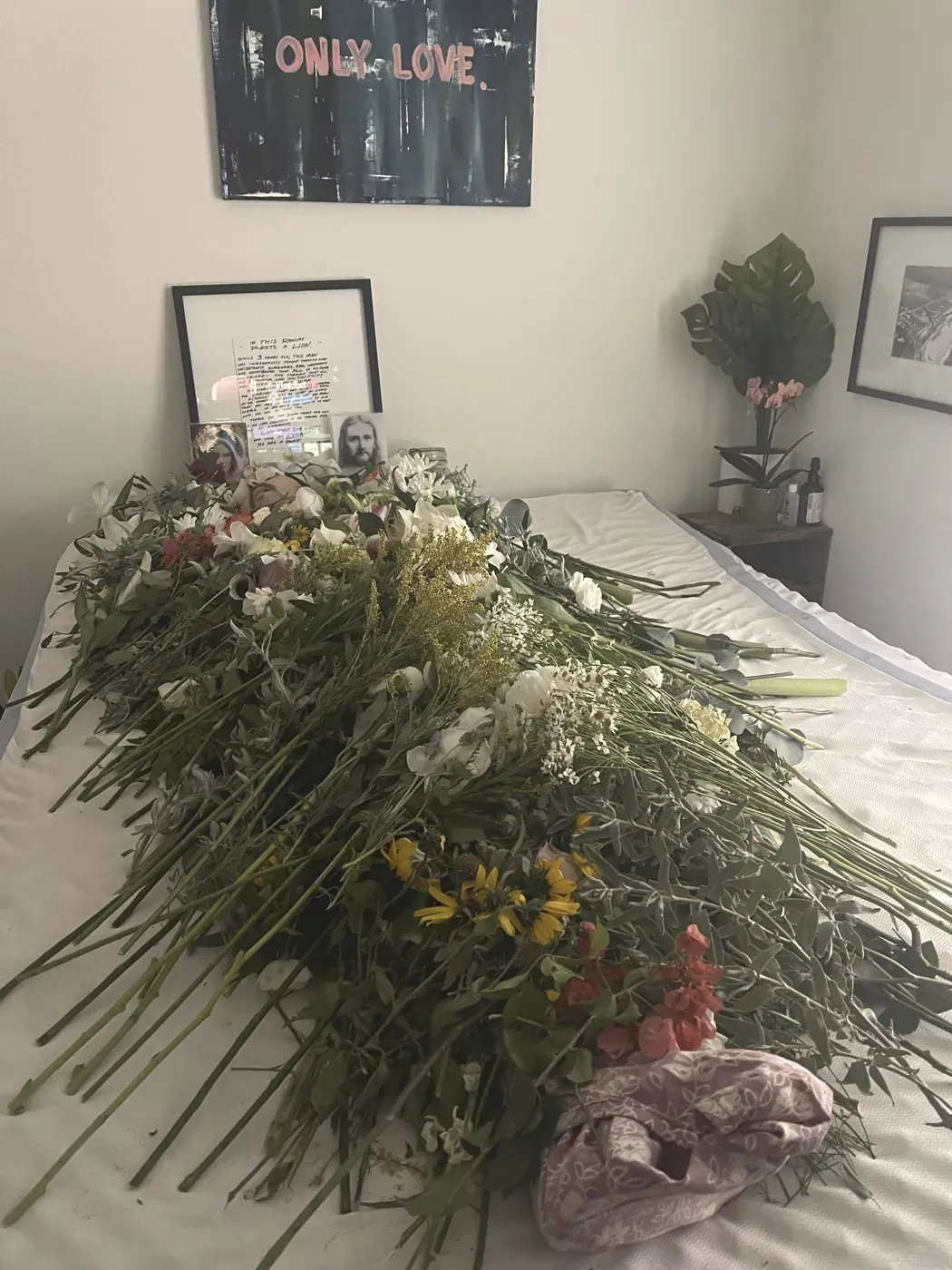
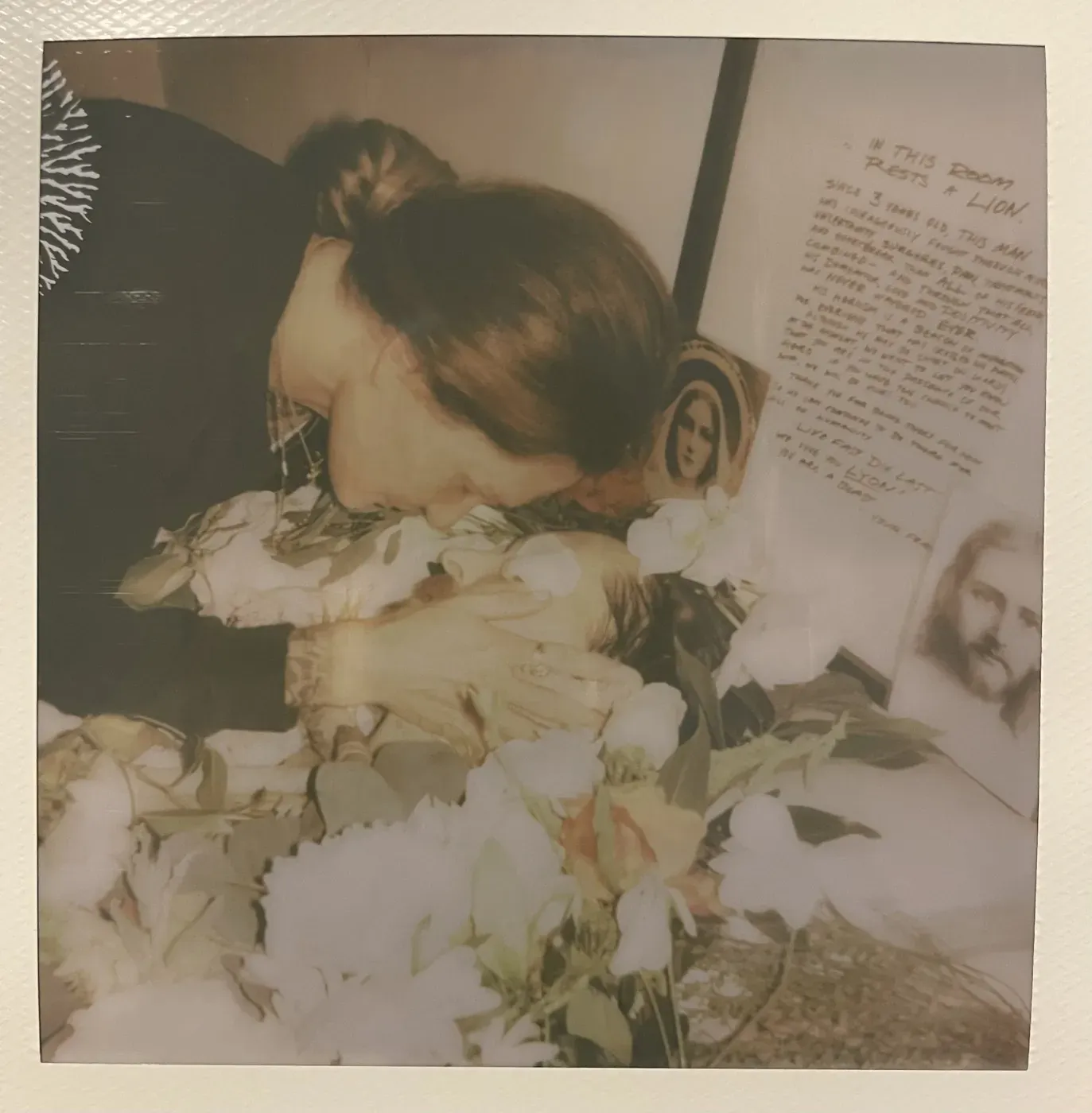
We held a living memorial where his friends and family had the opportunity to share what was in their hearts and to love on him physically one last time. We recorded deep conversations, took photographs, and created legacy projects throughout his time on hospice. And then, after his final breath, we created the most beautiful ceremony honoring his physical vessel. We invited loved ones to come and participate in whatever way felt meaningful to them, whether it was laying a flower upon his body, sprinkling sand from the beach, or anointing him with essential oils or salt water. The invitation was open, and within that space, there was an abundance of love, connection, and healing. We honored his body as beautifully and fully as the soul that had lived within it.
That experience forever changed the way I approach this work. It shows me what becomes possible when we remove the fear, open the conversation, and invite others to participate in the sacredness of death. I believe the love, ceremony, and opportunities for closure helped all of us begin to heal. Lyon’s passing taught me that even in the deepest sorrow, there can be extraordinary beauty. And that is something I now carry into every space I am invited to hold.
What does a “good death” mean to you personally, and where did that belief come from?
Hmmm... great question.
A “good death” to me isn’t necessarily a pain-free or uneventful one. Laboring in death can be much like laboring in birth. Some transitions are quick and gentle, while others are far more intense. Neither is more sacred than the other.
For me, a “good death” is when those surrounding the dying can rest in a neutral space of love and compassion, without the need to control or change what is unfolding. Everything in life is impermanent, and perhaps nowhere is that more evident than in our final hours.
Through my own experiences with death, both personally and in my work, I’ve come to understand that so much of our suffering comes from our attachment to how we believe things should be.
Who do you feel most called to support, and why?
In the work I do, I feel especially called to support cancer patients, as this was the world I lived in for decades with my son. Hospitals, hematology and oncology clinics, and support groups were all part of our journey. Through my own personal experience, I developed a deeper understanding of cancer and how it affects the body. I also understand what it feels like to be a caregiver, to pour everything you have into keeping someone well, only to eventually surrender to what is beyond your control.
I carry a deep compassion for those navigating this journey and have been able to alchemize my own experience into service for others. And, of course, there are the families left behind. I feel deeply honored to hold space for them, to walk alongside them in their grief, and to offer support as they navigate life after loss.
What’s something you’ve had to “unlearn” since you started your work as a death doula?
I’m not sure “unlearn” is necessarily the word I would use, but I’ve certainly had to learn how to hold what I believe to be true in my heart and soul while remaining open to the beliefs and experiences of others. It’s the art of meeting people exactly where they are.
I think early on, I carried with me my spiritual beliefs about what happens beyond the final breath as universal truths. Over time, I’ve come to understand that what is true for me doesn’t have to be true for someone else. My beliefs are mine to hold, just as theirs are theirs to honor. I’ve learned that my role isn’t to bring someone into my understanding of death, but to step into theirs with curiosity, compassion, and without judgment.
And once again, it comes back to neutrality. Being able to set aside my own beliefs and expectations, not because they matter any less, but because in that sacred space, it’s not about me. It’s about the person I am there to serve.
What do the people you support tend to want most in their final days?
This answer can certainly vary, as each person’s final days are deeply personal. But the underlying thread I see time and time again is the desire for peace. Peace can come in many forms. It may be choosing who they want surrounding them, the energy brought into the room, or simply having the space to turn inward without interruption.
I try to intuitively sense where each person is in their process and help create an environment that honors their needs. Whether that’s being mindful of lighting, sounds, scents, or the conversations taking place around them, the smallest details can make a profound difference. I often remind loved ones to be mindful of their words and the energy they bring into the space, as hearing remains present even when someone is no longer able to respond.
Sometimes peace also comes through closure, having the opportunity to say what needs to be said, to forgive, to express love, or simply to sit together in silence. I’ve witnessed a natural retreat that often takes place in the final days, almost as though the body and soul are conserving their energy for the transition ahead. I believe part of my role is to honor that process rather than interrupt it. Ultimately, I think what most people want is to feel safe, loved, and free to go in their own time.
How do you help families who aren’t ready to talk about what’s happening?
This can be one of the more challenging aspects of my work because grief and anticipatory loss can manifest in so many different ways. For some, it shows up as sadness, and for others, as fear, anger, or an inability to accept what is unfolding. That can create a turbulent emotional environment for everyone involved.
I’ve learned that I cannot force someone into acceptance, nor is it my place to do so. I simply try to lead with compassion, acknowledging how incredibly difficult this must be for them and reminding them that I’m available whenever they feel ready to talk, ask questions, or express whatever emotions are coming up. I don’t believe there is one right way to grieve, and I certainly don’t expect everyone to share my spiritual beliefs. If someone asks how I’ve navigated my own losses, I’m happy to share what has helped me, but I never impose my beliefs on someone else’s experience.
Sometimes, when words are too difficult, I gently introduce legacy projects. Creating something meaningful, sharing memories, or simply finding a way to honor their loved one can offer a sense of connection and purpose in a moment when so much feels out of their control.
I also try to bring families back to the present moment. We can become so consumed by what is coming that we lose sight of the time we still have together. I gently remind them that all we truly have is right here, right now. So let’s be here. Let’s love this person, support their needs, and allow this moment to be exactly what it is.
I don’t feel it’s my job to change how someone feels. It’s my job to listen, to hold space for every heart in the room, and to offer compassion without judgment, even when things feel uncomfortable. Sometimes the greatest support we can offer is simply our willingness to stay present.
Lastly, what’s the light you carry with you from this work?
I feel the light I carry is a deep reverence for each breath we get to take. Every morning we get to wake up, the sounds of nature, a beautiful meal, the warmth of physical touch, and all the simple earthly experiences that make up this life. Knowing that all of it is impermanent, I try not to take any of it for granted. I approach each day with the awareness that it could be my last, not from a place of fear, but from a place of gratitude and wonder.
There is a quiet excitement I feel upon awakening each morning. What will today bring? What lessons will be presented to me? What beauty might I discover that I wasn’t expecting?
Of course, I’m human. I have my own struggles, difficult days, and moments when I lose sight of these things. But underneath it all, there remains a deep curiosity and wonder for this human experience. I think that’s the light I carry. Despite all the loss I’ve witnessed and experienced, I haven’t lost my love for life. If anything, death has taught me how precious it truly is. And perhaps the greatest gift this work has given me is the understanding that the more intimately we come to know death, the more fully we can learn to live.
About Barbie Herron Conkling
Barbie Herron Conkling is a ceremonial death midwife, Reiki practitioner, and mother whose personal journey through love, loss, and grief has deeply shaped her calling. Since 2019, she has accompanied individuals and families through the sacred transition of death, offering compassionate support, ceremony, and a safe space for honest conversations. After walking her son, Lyon, through his own end-of-life journey, her understanding of what is possible within this sacred space deepened profoundly. She believes that by replacing fear with presence, love, and ritual, we can reclaim death as a natural and meaningful part of life. Through her work, writing, and podcast conversations, Barbie hopes to inspire others to approach death with less fear and to embrace life with greater reverence, gratitude, and wonder.