The Light We Carry
Death has an extraordinary way of teaching us how to live.
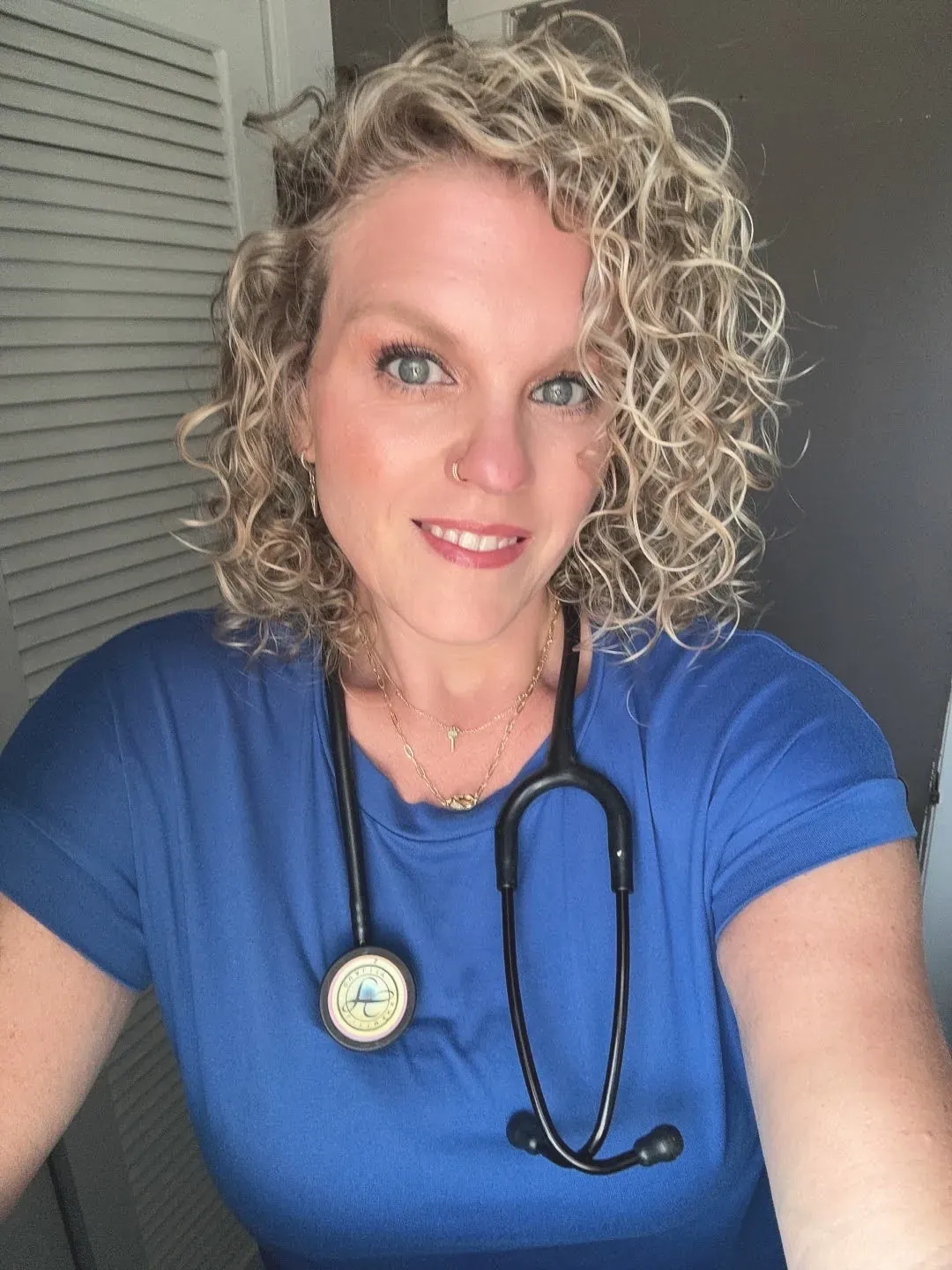
Kacie Gikonyo, RN · Death Doula & Educator
A registered nurse since 2011, Kacie founded Death Doula School and The Death Doula Collective.
About this conversation
The Light We Carry is an Eterneva series of conversations with people who spend their lives close to grief, death, and remembrance.
Kacie Gikonyo has been a registered nurse since 2011. Today she is a death doula, an educator, and the founder of Death Doula School and The Death Doula Collective.
We spoke with her about the woman who reshaped how she works, why she does not use the phrase “good death,” and the practice she calls sitting with her dying self.
“What stayed with me was how much of her experience had nothing to do with medicine.”
“The more comfortable we become acknowledging that we’re going to die, the more intentional we can become about how we choose to live.”
What brought you to this work? Was there a person or moment that made it clear?
I’ve been a registered nurse since 2011, and throughout my career, I’ve cared for countless people at the end of their lives. But it wasn’t until I started recognizing the gaps in how we care for dying people that I realized something needed to change. As nurses, we’re trained extensively on how to keep people alive. We’re taught how to recognize deterioration, intervene in emergencies, and treat disease. But we’re given very little education on how to support someone through the natural process of dying.
During my years at the bedside, especially throughout the COVID-19 pandemic, I witnessed just how unprepared we are for death, both as healthcare professionals and as a society. I saw people dying without having the conversations they needed to have, families struggling to understand what was happening, and healthcare professionals doing their best within a system that often prioritizes prolonging life over preparing people for its end.
There wasn’t necessarily one person or one moment. It was the accumulation of years spent witnessing death and realizing that we could be doing so much better. I didn’t enter this work because I was fascinated by death. I entered it because I recognized how much suffering our discomfort with death was creating.
Tell us about a time you were with someone at the end of life that changed how you work.
I once supported a woman in her 50s who was dying from metastatic breast cancer. She was a wife and a mother to two sons, and one of her greatest struggles wasn’t necessarily the thought of dying. It was the thought of everything she would miss. She worried about leaving her children, about the milestones she wouldn’t witness, and about the future she had imagined for herself and her family.
Together, we spent time talking about what mattered most to her and what she wanted her final chapter to look like. We discussed everything from her physical environment to the emotional needs of her family. What stayed with me was how much of her experience had nothing to do with medicine.
Her concerns weren’t things that could be addressed with a prescription or a medical procedure. They required conversation, presence, creativity, and someone willing to sit with the reality of what she was facing. That experience reinforced something I now teach: Dying is a medical event, but it’s also a deeply human experience. And we have to care for both.
What does a “good death” mean to you personally, and where did that belief come from?
I actually don’t like the phrase “good death.”
After witnessing as much death as I have, I think it’s an oversimplification of something incredibly complex and personal. Death can be peaceful, but it can also be messy, emotional, frightening, and unpredictable. And none of those things necessarily mean someone had a bad death. What matters to me is whether someone was given the opportunity to approach their death with intention.
Did they understand what was happening to their body? Were they given honest information about their prognosis? Did they have a voice in the decisions being made? Were their wishes respected? Did they have the opportunity to say what needed to be said? My perspective comes from years of watching what happens when people aren’t given those opportunities.
I don’t believe we can promise anyone a good death. But I do believe we can help people have a more informed, supported, and intentional experience.
What do the people you support tend to want most in their final days?
To be heard. To have some sense of control. And to know that the people they love are going to be okay. People often assume that dying individuals spend their final days thinking about death itself. But in my experience, they’re frequently thinking about life. They’re thinking about their children, their relationships, the things they regret, the things they’re proud of, and the people they’re leaving behind.
Many also want something surprisingly simple: permission to stop. Permission to stop pursuing treatments that are no longer serving them. Permission to stop pretending they’re okay. Permission to prioritize their own comfort instead of managing everyone else’s emotions.
Sometimes the most meaningful thing we can do is remind someone that even though they’re dying, they still have a voice in how they want to live the time they have left.
How do you help families who aren’t ready to talk about what’s happening?
First, I try to understand why they’re not ready. Sometimes it’s fear. Sometimes it’s a lack of understanding about what’s happening medically. Sometimes families believe that talking about death means they’ve given up hope. I remind them that acknowledging death doesn’t mean abandoning hope. It means allowing hope to evolve. We can hope for comfort. We can hope for meaningful time together. We can hope for an opportunity to say the things that matter.
I also remind families that avoiding conversations about death doesn’t prevent death from happening. It simply means we may be less prepared when it does. But I never believe in forcing these conversations.
My role is to create an environment where people feel safe enough to ask questions, express their fears, and begin having conversations when they’re ready, and sometimes that begins with something as simple as asking, “What worries you most about what’s happening right now?”
What’s something you’ve unlearned since you started in this line of work?
That death is always something we should fight against. As a nurse, so much of my education revolved around preventing death. And of course, there are countless situations where that’s exactly what we should be doing. But I’ve learned that there comes a point when continuing to fight death can mean fighting against the very things that make someone’s remaining life meaningful.
I’ve had to unlearn the idea that doing more medically always means we’re providing better care. Sometimes better care means fewer interventions, more honest conversations, and shifting our focus from how long someone can live to how they want to live the time they have left.
I’ve also unlearned the idea that death itself represents a failure. Death is not a failure of medicine. It’s an inevitable part of being human. And learning how to care for people when death can no longer be prevented is just as important as knowing how to save their lives.
What’s a ritual or practice that’s become your own over time?
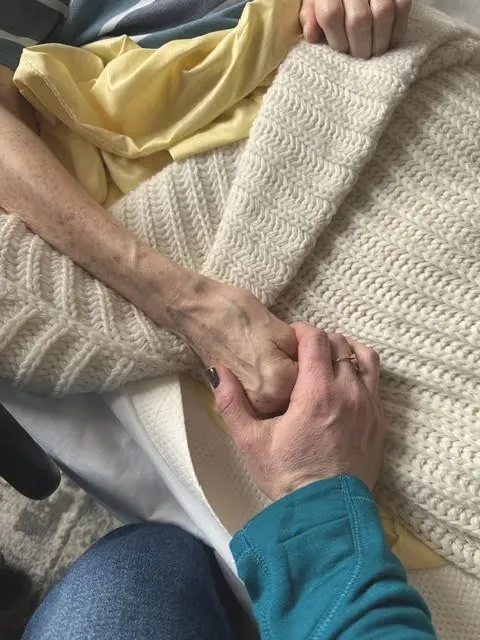
I practice something I call “sitting with my dying self.” It’s the intentional practice of acknowledging my own mortality and allowing that awareness to influence how I live my life today. I ask myself questions like, “If I were dying, would I be happy with how I’m spending my time? Am I prioritizing the things that actually matter to me? Am I taking care of the person I am right now?”
Working so closely with death has taught me that self-care isn’t a luxury. It’s a responsibility I have to myself. I’m incredibly intentional about giving myself time and space to grieve, rest, and recover without guilt. I listen to my body. I spend time in nature, nourish myself, prioritize sleep, and move my body in ways that support my physical and emotional well-being.
I’ve witnessed what happens when people spend their entire lives putting themselves last, only to reach their deathbed and realize they never gave themselves permission to live for themselves. Sitting with my dying self is how I make sure I don’t wait until I’m dying to start living intentionally.
Lastly, what’s the light you carry with you from this work?
The knowledge that death has an extraordinary way of teaching us how to live.
I’ve spent years sitting with people who are running out of time, and one thing becomes incredibly clear: so many of the things we spend our lives worrying about become insignificant when we’re faced with the reality of our own mortality. Death has taught me to be more intentional with my time, more honest in my relationships, and less willing to spend my life doing things that don’t matter to me.
It’s also shown me how much can change when we’re willing to have conversations that make us uncomfortable. That’s ultimately what drives my work. I want to change the way we think about death, the way we prepare for it, and the way we care for people experiencing it.
Because the more comfortable we become acknowledging that we’re going to die, the more intentional we can become about how we choose to live.
About Kacie Gikonyo, RN
Kacie Gikonyo is a Registered Nurse, Death Doula, Educator, and author of Laboring Out of Life: A Death Doula’s Approach to Intentional End-of-Life Care. She is the founder of Death Doula School and The Death Doula Collective, where she educates and empowers individuals and professionals to approach death with greater knowledge, confidence, and intention. Drawing on more than 15 years of nursing experience, Kacie is challenging the way society thinks about death and advocating for a future where compassionate, holistic end-of-life care is an essential part of healthcare.