Diamond Growing Kit: What's Real & What's Not
Science & Tech
17 min read
Article Category:Science & Tech
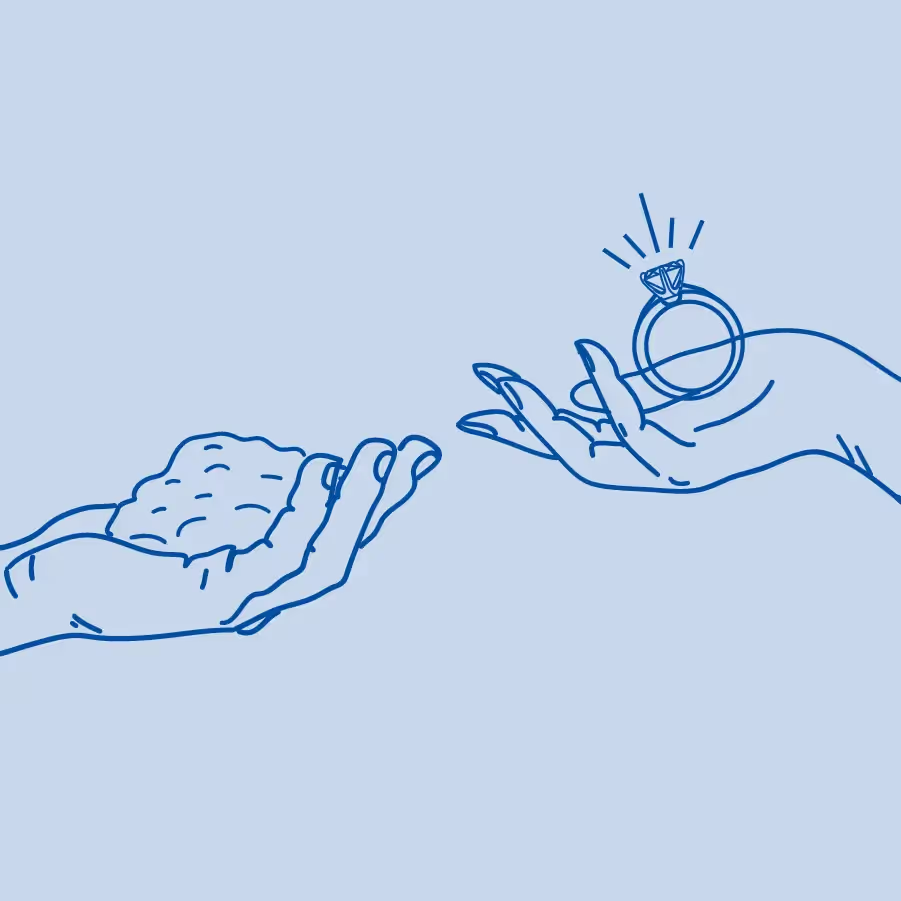
The science of creating a diamond is a story of transformation. It’s about taking a simple element, carbon, and subjecting it to immense pressure and heat to form one of the hardest and most brilliant substances on Earth. While the idea of a home "diamond growing kit" captures this sense of wonder, it's a process that can't be replicated in a kitchen. The equipment needed is massive, the environment must be perfectly controlled, and the expertise is highly specialized. This is the real science behind lab-grown diamonds, and it’s what makes it possible to create a deeply personal memorial from ashes or hair.
What You'll Find When Searching for a "Diamond Growing Kit"
If you've typed "diamond growing kit" into a search bar, you might be picturing a box arriving at your door with everything you need to create a sparkling gemstone on your kitchen counter. The reality, however, is quite different. The search results are typically flooded with three main categories: children's science experiments, failed DIY projects, and try-on kits for jewelry shopping. While these can be fun or interesting, none of them will result in a genuine, wearable diamond. Understanding what these kits actually are can help clarify why creating a real diamond is a process left to specialized labs with incredible technology and expertise.
Educational Toys and Science Experiments
The most common items you'll find are educational toys designed to introduce children to basic scientific concepts. These kits are great for a weekend science project but aren't intended to produce anything resembling a real gemstone. They fall into two main categories: crystal sets and dig kits. Both are designed for the experience of discovery and learning, not for creating a lasting, high-quality stone. They offer a fun, hands-on way for kids to engage with geology and chemistry but don't involve the complex process of diamond formation.
Crystal Growing Sets
Most products marketed as "grow your own diamond" kits are actually crystal-growing sets. These kits typically contain salts or other chemical compounds that, when mixed with water, will form colorful, multifaceted crystals over a few days. While they teach the principles of crystallization, the end result is not a diamond, which is pure carbon. It's a fun and visual experiment for kids, but the resulting crystals are fragile and not suitable for jewelry.
Gemstone Dig Kits
Another popular toy is the gemstone dig kit. These kits come with a block of clay or plaster that has small, polished gemstones embedded inside. Kids use tools to excavate the stones, simulating the experience of a geologist. While some kits claim you have a tiny chance of finding a real diamond, the included stones are usually common, low-value gems. The main point of these kits is the thrill of the dig, not the value of what's found.
Popular (and Unsuccessful) DIY Home Experiments
The internet is full of ambitious DIY projects, and creating diamonds is no exception. You can find online tutorials suggesting you can make a diamond with a home microwave, some graphite, and oil. While the ingenuity is admirable, these experiments unfortunately don't yield a gemstone. The conditions required to turn carbon into a diamond—incredibly high pressure and temperature—simply can't be replicated in a home kitchen. These attempts often end with a mess or even a broken appliance, highlighting that diamond creation is a feat of industrial science, not a home craft.
Alternative Kits: Engagement Ring Try-On Sets
Sometimes, a search for a "diamond kit" will lead you to something completely different: at-home try-on kits for engagement rings. Companies like Plum Diamonds offer free kits that let you test out different ring styles and sizes from the comfort of your home. These kits include replica rings with fake diamonds, known as simulants, and tools to measure your finger size. They are a practical tool for shopping and making an informed decision about a future purchase, but they are not involved in the creation of a diamond itself.
The Real Science of How Lab Diamonds Are Grown
So, if home kits aren't the answer, how are real lab-grown diamonds made? The process is a fascinating blend of science and artistry that recreates the conditions deep within the Earth. Creating a genuine diamond requires highly specialized, industrial-grade equipment capable of generating immense pressure and scorching temperatures. It's a precise and lengthy journey that transforms a simple carbon source into a brilliant, lasting gemstone. This is the same foundational science that allows for the creation of deeply personal memorial diamonds from the carbon in ashes or hair, turning a tribute into a timeless heirloom.
The Two Primary Methods: HPHT and CVD
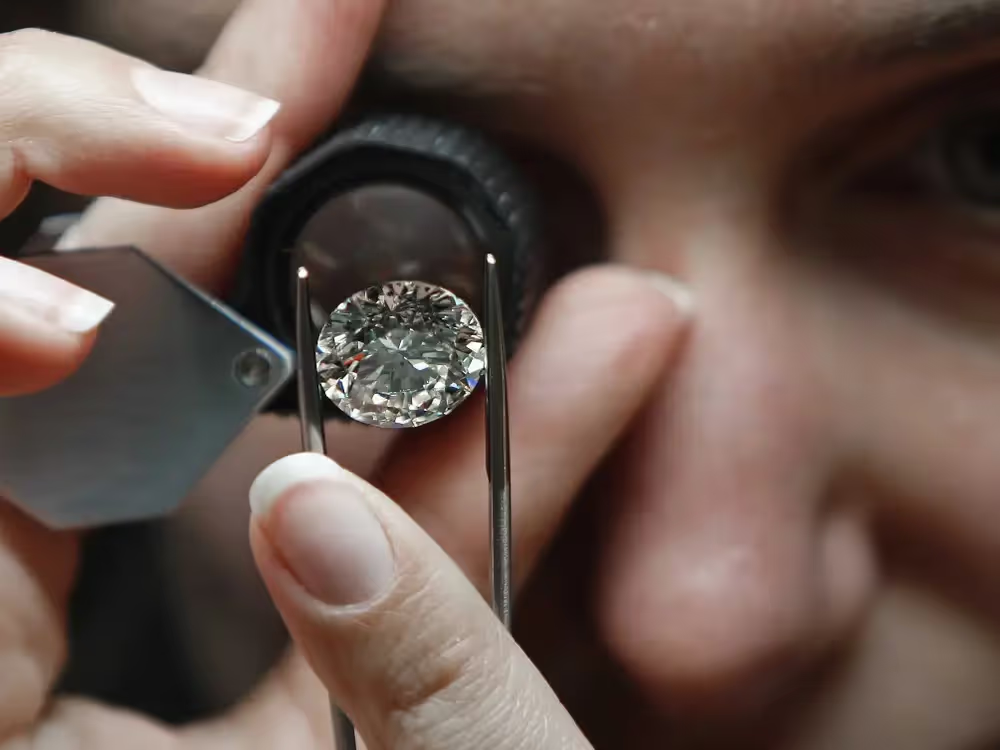
There are two scientifically proven methods for growing authentic diamonds in a lab: High-Pressure, High-Temperature (HPHT) and Chemical Vapor Deposition (CVD). Both methods result in diamonds that are physically and chemically identical to their mined counterparts, but they start the process in different ways. Each requires a controlled environment and expert oversight to ensure the diamond grows with clarity and integrity, a process that is both technically demanding and incredibly beautiful to witness.
High-Pressure, High-Temperature (HPHT)
The HPHT method is the original and most established way to create a diamond, as it most closely mimics the natural process underground. It begins by placing a purified carbon source into a specialized press. This machine then applies an immense amount of pressure—around 850,000 pounds per square inch—and heats the carbon to temperatures over 2,500°F. This intense environment coaxes the carbon atoms to bond and crystallize over time, slowly forming a unique, raw diamond that is ready to be cut and polished.
Chemical Vapor Deposition (CVD)
The CVD method takes a different approach, building a diamond layer by layer. The process starts with a tiny "seed" diamond, which is placed inside a vacuum chamber. The chamber is then filled with a carbon-rich gas, like methane. When the gas is heated, the carbon atoms separate and attach themselves to the diamond seed. Over several weeks, these atoms build upon one another, growing a larger, high-quality diamond. This method is often used to create diamonds for industrial or technological purposes as well as for jewelry.
The Investment: Equipment, Cost, and Time
Creating a lab-grown diamond is far from a simple or quick endeavor. The machinery required for HPHT or CVD is massive, complex, and costs millions of dollars, requiring a dedicated facility and highly trained scientists to operate. The process itself is a testament to patience. Growing a single custom diamond can take anywhere from several weeks to a few months, depending on the desired size and color. After the raw diamond is formed, it still needs to be expertly cut and polished, which adds another couple of weeks to the timeline, ensuring the final gem has maximum brilliance and fire.
A Glimpse into the Future of Diamond Synthesis
The science of diamond creation is always evolving. Recently, scientists announced a breakthrough that could allow them to grow diamonds from scratch in just 15 minutes. This new method, which operates at normal atmospheric pressure, is an exciting development that could one day change the industry. However, this technology is still in the early research phase and is not yet commercially available. For now, the proven and trusted HPHT and CVD methods remain the only ways to reliably create beautiful, high-quality lab-grown diamonds that will last a lifetime.
Beyond Ashes: Finding Your Alternative Carbon Source
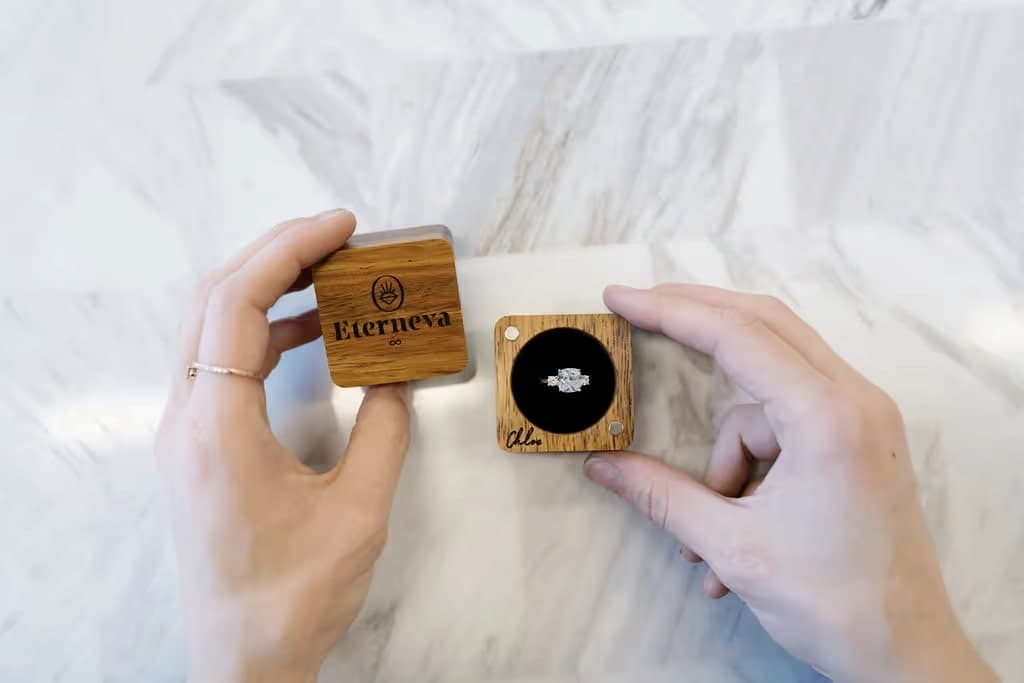
Memorial diamonds are not new. For years, reputable cremation diamond companies like Eterneva have offered people the chance to create unique pieces of jewelry that encompass the spirit, beauty, and brilliance of the loved ones they have lost. These amazing pieces serve to commemorate the lives of those who are so important to us, giving us the chance to physically carry on their legacy after death.
Traditionally, this process involves transforming the ashes of a deceased individual into a lab-grown diamond. Using advanced technology, carbon is carefully extracted from the cremated ashes and placed into a specialized growth chamber under intense heat and pressure. Atom by atom, the carbon crystallizes to form a real diamond, infusing a part of the loved one into the molecular makeup of the stone forever.
These diamonds not only provide a unique and everlasting tribute but also carry profound emotional significance for those seeking a tangible connection to their departed family members or friends. But did you know that you don’t need cremated ashes to create a personalized lab-grown diamond? It’s the carbon extracted from the ashes that is needed to grow a diamond, and carbon exists in a variety of different materials. That means even if you don’t have cremated ashes or hair, you can still create a stunning diamond using carbon from another meaningful source.
How is Carbon Turned into a Diamond?
The process of extracting carbon from cremated ashes is a meticulous and sophisticated procedure that involves several scientific steps:
- Collection.Only a small amount of ashes is needed to produce the carbon needed to grow a diamond.
- Extraction. The ash is processed in a laboratory to extract this carbon. This process involves heating it to high temperatures and reducing it to its basic elements, which include carbon.
- Purification. The extracted carbon is then purified to remove any impurities that may interfere with the diamond growth process.
- Growth. The purified carbon is then placed in a machine that simulates the conditions under which diamonds naturally form in the crust of the earth. This involves subjecting the carbon to high-temperature, high-pressure (HTHP) conditions over a period of time until the carbon atoms arrange themselves into a crystalline diamond structure.
- Finishing. Once the diamond has been grown, it can be cut into the desired shape and polished. The color, shape, cut, and setting of the diamond can be completely customized.
Carbon, the essential element for growing diamonds, is not exclusive to ashes alone. Advancements in technology have broadened the scope, allowing for the extraction of carbon from a diverse range of materials. While cremated remains provide an obvious source of carbon, almost any item that contains traces of carbon can potentially serve the same purpose. As long as there are enough carbon atoms present, the raw material can be processed to filter out and collect the essential carbon elements.
From scraps of paper holding precious memories to clothes carrying treasured significance to flowers symbolizing ceremonious moments, alternative carbon carriers let us reimagine the possibilities of lab-grown diamonds to celebrate relationships, milestones, anniversaries, and more. Let’s take a look at some of the items you can use to create your own diamond.
From a Lock of Hair
Throughout history, a lock of hair has been given as a memento of love and devotion. In Victorian times, it was common for bereaved family members to keep locks of hair from deceased loved ones. Typically kept in lockets, the hair was a tangible keepsake of a life and of a body.
Today, hair is still revered as a precious token—providing validation that the person you loved was real and hope that perhaps you will meet them again. It’s also rich in carbon; in fact, B&B Labs, a leading analytical chemistry lab in College Station, found that hair contains upwards of 30% carbon. We only need a healthy handful of hair to extract enough personal carbon to grow a Diamond.
The Rich Carbon Content in Hair
We often cherish hair as a sentimental keepsake, a tangible connection to someone we love. Beyond its emotional value, hair is also a significant source of carbon. In fact, research from B&B Labs, a leading analytical chemistry lab, found that hair contains upwards of 30% carbon. This high concentration makes it an excellent material for creating a lab-grown diamond. It means that even a small amount, just a healthy handful, provides more than enough personal carbon to grow a beautiful and completely unique Living Diamond. This unique property allows you to transform a simple lock of hair into a lasting tribute, creating a meaningful way to carry a piece of your cherished memories with you forever.
From Love Letters and Old Photos
For many of us, written documents like old love letters, personal journals, childhood drawings, or even scribbled recipes in a family cookbook hold precious memories. Though fragile and ephemeral, these paper documents contain the carbon necessary to transform into eternal diamonds that will sparkle forever as a way to preserve and connect with the past.
These documents often encapsulate the essence of a loved one's life, thoughts, and emotions. By transforming these intimate writings into diamonds, individuals have the opportunity to immortalize their personal narratives. From pressed cotton and linen fibers to wood pulp or papyrus, enough carbon can be extracted from paper to create a stunning piece of heirloom jewelry.
So, whether you are a family that wants to preserve a grandparent's love letters, a daughter who wants to transform the pages from a mother’s precious cookbook, or a parent who wants to immortalize a child’s first drawing, you can use these items to create something eternal that you can carry with you forever.
From a Favorite Piece of Clothing
Clothing items often carry significant emotional attachments and vivid memories. Plush toys may carry the imprint of childhood. Sports jerseys may evoke memories of team camaraderie and hard-fought victories. From a beloved old stuffed animal to a threadbare blanket to a unique dress worn for a special occasion, the fabrics that have touched our lives also contain the carbon needed to turn them into diamonds.
Transforming these cotton, wool, or linen textiles into dazzling diamonds provides a way to forever commemorate their memory and meaning. Like cremated remains, these fabrics leave behind carbon remnants that can be transformed into diamonds, allowing us to carry a tangible piece of our past and the memories woven into the very essence of these items.
From Wedding Bouquets or Dried Flowers
Flowers and plants connect us with the natural beauty of the world, and we often use their delicate elegance to symbolize the love, sorrow, and joy we experience in life. From the first flower we place on a prom date’s hand to wedding bouquets to the arrangements we lay on the graves of loved ones, flowers and other plants connect us to the cycles that govern our world. Organic materials can hold significant symbolic meaning, and they also contain enough carbon to grow diamonds.
The symbolism inherent in creating diamonds from memorial items is profound. Transforming these into diamonds symbolizes the eternal nature of memories, growth, and our enduring connection to others. It's a powerful way to create something beautiful and lasting from something that is temporal and fleeting in life.
Celebrate Life with a Living Diamond
While we typically associate lab-grown diamonds that use a specific sentimental source for the carbon required as posthumous tributes, that’s not necessarily true. The fact that you can extract the carbon for a diamond from so many different sources means that there is no limit to your self-expression.
The process is no longer tethered exclusively to death. It is accessible to anyone who wants to celebrate milestones, connections, and accomplishments in a meaningful way. Taking traces of carbon from stored paper mementos, clothing items, or organic materials allows for the creation of vibrant diamonds that commemorate life’s precious moments without having to wait.
You can now create a diamond using carbon from a piece of your spouse’s wedding dress and give it to them on your anniversary. Or transform a worn and loved stuffed animal that your child has grown out of into a beautiful ring they can wear to their first dance. The possibilities are endless.
Why Ashes Remain a Powerful Choice
While alternative carbon sources provide exciting new avenues for diamond creation, for many, ashes will always have a special emotional resonance. Transforming cremated remains into memorial diamonds continues to be a powerful experience for many grieving families.
Feeling your loved one’s presence each time light dances across your diamond provides a profound sense of connection. Though alternative sources exist, ashes maintain unique emotional ties, and carrying these remnants of a loved one’s physical existence makes memorial diamonds deeply sacred.
No matter how you approach the process of creating a diamond of personal significance, Eterneva can help. Whether you want to celebrate a milestone or experience with a living diamond, commemorate the remarkable life of a loved one who has passed, or make a plan for yourself to be transformed and passed on to your children, Eterneva can ensure your needs are met and your wishes fulfilled.
Frequently Asked Questions
So, is it truly impossible to grow a real diamond at home? Yes, it's impossible to create a genuine diamond in a home setting. The process requires immense pressure and heat, conditions that can only be achieved with highly specialized, industrial-grade equipment that costs millions of dollars. The online tutorials suggesting you can use a microwave are unfortunately just myths; they can't generate the stable, extreme environment needed to transform carbon into a diamond crystal.
What makes a lab-grown diamond different from the crystals in a children's kit? The key difference is the material itself. A real diamond, whether mined or lab-grown, is pure carbon crystallized into one of the hardest substances on earth. The crystals from a children's science kit are typically made from salt or other chemical compounds that form fragile, water-soluble structures. While a fun experiment, the result is not a permanent gemstone and is not suitable for jewelry.
Is a diamond made from ashes or hair chemically the same as a mined diamond? Absolutely. A diamond created in a lab from a personal carbon source has the exact same physical, chemical, and optical properties as a diamond formed deep within the Earth. It is just as hard, brilliant, and timeless. The only difference is its origin, which makes it a one-of-a-kind story of remembrance or celebration.
Do I have to use ashes to create a personal diamond? Not at all. While ashes are a powerful source for a memorial diamond, the essential element is carbon, which is present in many meaningful items. You can use a lock of hair, cherished letters, a favorite piece of clothing, or even dried flowers from a wedding bouquet. This opens up the possibility of creating a diamond to celebrate a milestone, like an anniversary, not just to commemorate a loss.
How long does the entire process take, from sending in my materials to receiving the finished diamond? Creating a custom diamond is a patient and precise art. The growth phase alone can take several weeks to a few months, depending on the specific size and color you choose. After the raw diamond is formed, it still needs to be expertly cut and polished to bring out its brilliance, which adds a couple more weeks to the timeline. It's a dedicated journey to create a truly personal and lasting heirloom.
Key Takeaways
- Genuine diamonds are made in a lab, not from a kit: Creating a real diamond requires immense heat, pressure, and specialized equipment. The "diamond growing kits" you find online are typically children's science experiments and won't produce a lasting gemstone.
- You can create a diamond from more than just ashes: The essential ingredient is carbon, which can be sourced from many meaningful items. A lock of hair, old love letters, a favorite piece of clothing, or dried flowers can all be transformed into a unique diamond.
- Commemorate milestones, not just memorials: Personal diamonds offer a unique way to celebrate life’s significant moments. You can mark an anniversary with a gem made from a wedding dress or honor a child's journey with a diamond from their first blanket.