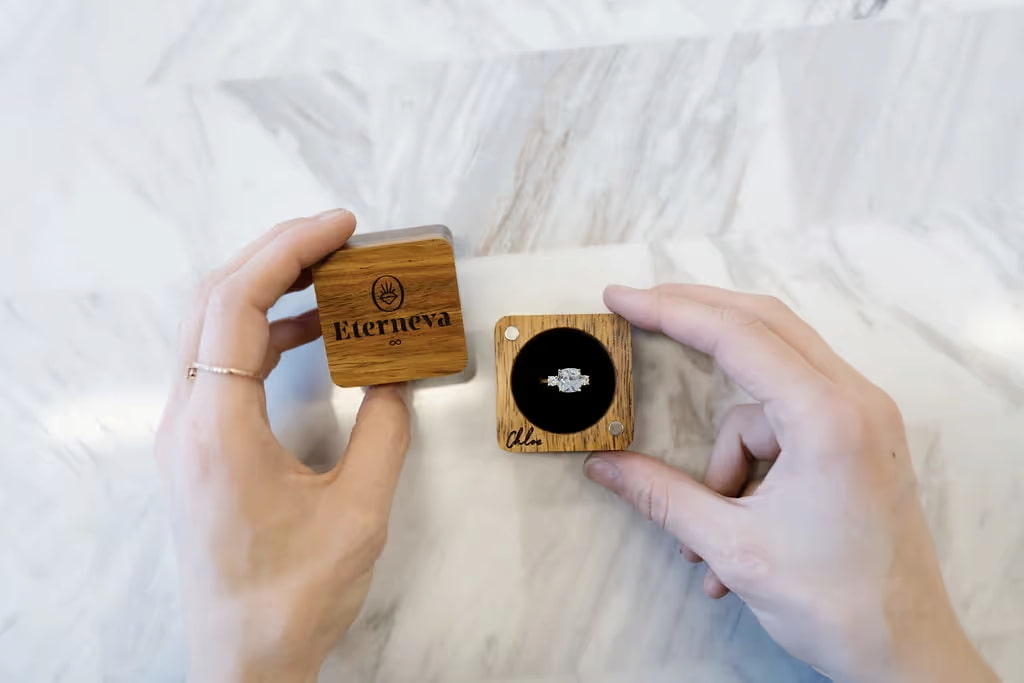
The weeks following the death of a loved one are incredibly challenging. You're not only trying to process the complicated emotions of loss, but you're also faced with making important choices about their final arrangements. For some, traditional flame-based cremation can feel harsh. Thankfully, there is a gentle alternative that uses water instead of fire. So, what is aquamation, exactly? It’s a quiet, serene method that feels more like a natural return to the earth. We’ll explain the full aquamation process and why it’s becoming such a comforting choice for families.
While there’s no wrong way to lay our remarkable loved ones to rest, this is a deeply personal decision. Choosing between burial, donation to science, and the different forms of cremation is an opportunity to honor your loved one’s values even after they’ve passed on.
Although many of us are familiar with flame-based cremation, a new form of cremation is gaining popularity. Aquamation offers families a gentle, water-based alternative to traditional cremation. Also known as alkaline hydrolysis or water cremation, this process uses warm water and alkaline solutions to naturally return your loved one to their essential elements. For families seeking an environmentally conscious option that treats their loved one with care and dignity, aquamation provides a peaceful choice. The remains from aquamation can be kept in an urn, scattered in a meaningful location, or transformed into a lasting memorial diamond.
Key Takeaways
- Understand the Gentle Process: Aquamation uses a quiet, water-based solution called alkaline hydrolysis instead of flame, offering a serene alternative that many families find comforting.
- Consider the Environmental Impact: This method is an eco-friendly option that uses a fraction of the energy of flame cremation and produces no harmful air emissions, honoring a loved one's commitment to sustainability.
- Plan a Meaningful Memorial: The ashes received from aquamation are chemically identical to those from flame cremation, making them suitable for any tribute you envision, from a scattering ceremony to creating a beautiful memorial diamond.
Understanding Your End-of-Life Options
Death is a natural process that every person will face. Although we all process death differently, there will come a time when each of us loses an incredible loved one. When we make decisions regarding our loved one’s post-life services, we look to the death care industry for help.
The death care industry is comprised of the many end-of-life services that help us celebrate our remarkable loved ones and lay them to rest in a way that is honorable and hygienic.
This includes everything from cremation and burial to providing funeral and memorial services. The death care industry is dynamic and varied with many options to honor different walks of life, religions, and personal preferences.
The most popular forms of post-life services include burial and cremation. Each of these forms has histories stretching back centuries, and for many years earthen burials were the most common method of death care services. However, cremation has recently become the most popular form of death care, especially in the United States.
The Familiar Path: Cremation
Cremation’s rise in popularity has both financial and sentimental explanations.
For many people, cremation is a more financially affordable option. While families can decide to have a traditional funeral service before the cremation takes place, we can also choose to forgo costs built into these traditional services like caskets and embalming through direct cremation.
However, that isn’t to say that cremation takes away memorial opportunities for friends and family members. There are many ways that we can use cremated ashes to show how much we care for our remarkable loved ones.
Whether we choose to hold a traditional funeral service using an urn in lieu of a casket, scatter our loved one’s ashes in an emotionally significant space, or create memorial jewelry, cremation provides plenty of ways to celebrate our loved one’s remarkable lives.
A Gentle Alternative: What is Aquamation?
Aquamation is a newer form of cremation that is typically seen as a more eco-friendly alternative to flame-based cremation. This can make aquamation a wonderful choice for loved ones who were passionate about sustainability and the environment.
Aquamation is a form of cremation that uses a liquid solution to create ashes, rather than a heat-based process. If you’re curious about what aquamation entails, let's look at exactly what aquamation is and how it’s unique from traditional cremation.
Other Names for Aquamation
If you're researching this option, you might come across a few different names. Aquamation is also known as alkaline hydrolysis, water cremation, or flameless cremation. Each of these terms points to the core of the process: it's a gentle, water-based method that doesn't rely on fire. The scientific name, alkaline hydrolysis, describes the chemical reaction that takes place, using a combination of water flow, temperature, and alkalinity to accelerate the natural decomposition process. Understanding these different names can be helpful as you explore post-life services, ensuring you know what to look for as you gather information for this important decision.
The History of Aquamation
While aquamation might seem like a modern innovation, the science behind it has been around for over a century. The process was first patented way back in 1888 by a man named Amos Herbert Hobson. Originally, his invention was used in a very different way—to turn animal carcasses into a useful fertilizer for farming. It wasn't until the 1990s that the technology was adapted for other purposes, like safely handling animal remains during the mad cow disease outbreak and for use in medical schools with donated human bodies. The first system designed specifically for public funeral services was installed at the Mayo Clinic in 2005, marking its official entry into the death care industry. This journey from an agricultural tool to a compassionate end-of-life choice shows how technology can evolve to meet changing societal values.
How Aquamation Differs from Traditional Cremation
Understanding your options during end-of-life planning helps families make decisions aligned with their values. While traditional cremation uses intense heat and flame reaching temperatures of 1400 to 1800 degrees Fahrenheit, aquamation works through an entirely different process.
During aquamation, your loved one is placed in a stainless steel vessel filled with a solution of 95 percent water and 5 percent alkali. The solution is gently heated to approximately 200 to 300 degrees Fahrenheit and circulated for three to four hours. This process mirrors natural decomposition but completes it in hours rather than decades.
Many families find deep comfort knowing aquamation involves no flame. The gentle nature of water-based cremation resonates with those who struggle emotionally with the idea of fire touching their loved one. Throughout the entire process, your loved one is treated with the utmost care and respect.
One meaningful difference that matters to many families is that aquamation returns approximately 20 percent more remains than traditional cremation. This gives you more of your loved one's ashes to keep close, scatter across meaningful locations, divide among family members, or transform into a memorial diamond that honors their memory forever.
Aquamation also breaks down remains into organic materials, providing ashes that are returned to surviving friends and family members. The difference lies in the way this ash is created — it uses a liquid solution instead of flame-based heat.
How the Cremation Process Works
In flame-based cremation, remains are placed in a specialized oven at a crematorium that is called a retort. A retort is designed to hold remains specifically for cremation. This is a heavily restricted and regulated process to ensure that your loved ones’ remains are treated hygienically and with respect and dignity.
For human cremation, each body is given its own retort. While we may choose to cremate our beloved pets in a communal or partitioned cremation alongside other remains, this is not allowed during human cremation.
This ensures not only that the body is treated with dignity but also that the ashes are never mixed or lost. The average body produces four to six pounds of ashes which can then be used in memorials to celebrate our incredible loved ones.
How the Aquamation Process Works
The aquamation process involves transforming remains into ash through alkaline hydrolysis. It is considered more environmentally friendly and energy-efficient than flame-based cremation.
During aquamation, your loved one’s remains are submerged in a stainless steel container that contains a liquid solution of 95% water and 5% potassium or sodium hydroxide. This solution has an extremely high pH level, which makes it alkaline in nature. Alkaline solutions are commonly used to help clean and sterilize equipment because they break down residual build-up well.
In this solution, soft tissue undergoes what is known as alkaline hydrolysis. This is a technical term that denotes the breakdown of organic material due to the high pH of the solution. This process is 100% natural, unlike the conditions of flame-based heat cremation.
Alkaline hydrolysis speeds up the remains’ natural process of being broken down over time, similar to earthen burial. This is one of the reasons why some people see aquamation as a more natural form of cremation with a smaller carbon footprint.
The container that the solution and remains are held in is heated to catalyze the chemical reaction of emulsification. When the temperature and pressure are raised to specific conditions, the process of emulsification can happen within a day.
What is left after aquamation is identical to what is leftover in traditional cremation, bone material, and any other substances that were not organic such as implanted medical devices. These devices are removed from the bones if they are present, and then the bones are collected and processed like in cremation.
The result is a white, greyish powder that is commonly referred to as human ashes. These ashes are typically placed in an urn and given to surviving loved ones, just like they would be during flame-based cremation.
The Step-by-Step Process
The aquamation process uses a method called alkaline hydrolysis to gently break down the body. Your loved one is placed in a stainless steel container filled with a solution of 95% water and 5% alkali, like potassium or sodium hydroxide. This mixture creates a highly alkaline environment that accelerates the natural decomposition process that would occur over many years in an earthen burial. The container is then heated and pressurized, which helps the chemical reaction along, allowing the entire process to be completed in less than a day. It’s a quiet, water-based method that many see as a more serene alternative to flame-based cremation.
What Happens to Medical Implants?
A common question people have is what happens to things like pacemakers, artificial joints, or dental fillings during aquamation. Since the alkaline hydrolysis process only breaks down organic materials, any medical implants are left completely intact and are not affected by the water-based solution. This is actually the same outcome as with flame-based cremation. After the aquamation process is finished, these non-organic materials are carefully and respectfully removed before the remaining bone material is processed into the fine powder we know as ashes. This ensures that only your loved one’s true remains are returned to you.
The Ashes and Byproduct
After the process is complete and any medical devices have been removed, the remaining bone material is dried and processed into a fine, white or greyish powder. These are the ashes that are returned to you, typically in an urn, just as they would be after a traditional cremation. The ashes from aquamation are chemically identical to those from flame cremation and contain the same core elements, including the carbon that made your loved one unique. This purified carbon is what allows for the creation of beautiful, tangible memorials, like a memorial diamond, that can carry their story forward for generations.
Is Aquamation a Greener Choice?
Aquamation has a couple of different names, one of which is green cremation. This is because it uses significantly less energy than flame-based cremation. Also, because there is no active burning, there are fewer emissions when compared to flame-based cremation.
If your remarkable loved one was passionate about sustainability and fighting for our environment, aquamation’s eco-friendly characteristics can be a deciding factor when choosing post-life services. While there is no right or wrong option when laying our incredible loved ones to rest, this is another way in which we can celebrate the remarkable lives they lived.
Comparing the Environmental Footprint
For many of us, choosing an end-of-life service that reflects a loved one's values is the most important part of the decision. If your loved one was dedicated to protecting the planet, understanding the environmental footprint of each option can bring peace of mind. The differences between aquamation and flame-based cremation are most significant when we look at energy use, carbon emissions, and even land preservation. This comparison can help you make a choice that feels right for you and honors the legacy of the person you are celebrating.
Energy Consumption
One of the most significant environmental benefits of aquamation is its low energy requirement. The process of alkaline hydrolysis is gentle and efficient, using significantly less electricity and natural gas than flame-based cremation. In fact, the energy consumption of aquamation is only about one-quarter of that needed for traditional cremation. This drastic reduction in energy use means a smaller overall carbon footprint, making it a compelling choice for those who lived with a conscious effort to conserve the planet’s resources. It’s a quiet, powerful way to honor a life dedicated to sustainability.
Carbon Emissions and Pollutants
Beyond energy savings, aquamation offers a cleaner process for our air. Because it is a water-based process without combustion, it produces no harmful air pollution or direct carbon dioxide emissions. In contrast, flame-based cremation releases pollutants into the atmosphere, including millions of tons of carbon dioxide each year. For families concerned about air quality and climate change, this is a major factor. By choosing aquamation, you can ensure your loved one’s final arrangements don’t contribute to air pollution, offering a process that is as gentle on the planet as it is on their remains.
Land Preservation
While often compared to flame cremation, aquamation also presents an eco-friendly alternative to traditional burial. Cemeteries require a significant amount of land—in the United States alone, about one million acres are dedicated to human burials. This land is often maintained with fertilizers and pesticides, which can impact the local ecosystem. Aquamation, like flame cremation, doesn't require a land plot, which helps preserve natural habitats. For those weighing the environmental impact of burial against that of flame cremation, aquamation provides a sustainable option that honors a loved one without contributing to land use or air pollution.
How to Choose the Right Option for You
For some, earthen burials hold a special place in our hearts. Others may prefer their cremated ashes to be spread over an area that holds sentimental value, like a favorite beach or a beloved home.
Other options like commemorative urns or even cremation jewelry are beautiful ways to honor our loved ones’ memories. Whichever end-of-life option you choose, you will be able to honor the legacy and impact of the remarkable diamonds in your life and hold their memory dear forever.
Sources:
Water Cremation: Better for the Environment | Healthline
3 Reasons You Should Choose Cremation | VeryWell Health
History of Cremation | Cremation Association of North America
Practical Considerations for Families
When you're exploring a newer option like aquamation, it’s completely normal to have questions about the logistics. From understanding the cost and legality to planning a service that feels just right, getting a handle on the practical side of things can help you make a clear and confident decision. This entire process is about honoring your loved one in a way that reflects their values and brings comfort to you and your family. Knowing the details ahead of time ensures the path you choose is as smooth as possible, letting you focus on what truly matters: remembering and celebrating a remarkable life.
Legality, Cost, and Availability
As more people seek out sustainable end-of-life options, aquamation is becoming more widely available. For example, it became legal in North Carolina in 2018 and has since been approved in many other states. Because it’s a newer technology, not every funeral home offers it yet, so you may need to check with a few local providers. In terms of cost, aquamation is often priced similarly to flame-based cremation. One of its biggest advantages is its gentle impact on the environment; aquamation uses about one-seventh of the energy that traditional cremation does, making it a meaningful choice for anyone who was passionate about protecting our planet.
Planning a Memorial Service
Choosing aquamation doesn’t limit your ability to plan a beautiful and personal memorial service. The process results in a fine, whitish-grey powder, which is essentially the same as the ashes you would receive from a flame-based cremation. These ashes are returned to you in an urn, ready to become the centerpiece of any tribute you have in mind. You can still hold a traditional funeral, plan a scattering ceremony at a meaningful location, or keep the urn in a place of honor in your home. The final tribute is a deeply personal decision, and aquamation supports whatever path feels most healing for you and your family.
Religious and Cultural Perspectives
Faith and cultural traditions play a significant role in how we honor our loved ones, so it's important to choose an option that aligns with your family’s beliefs. While many religions are accepting of cremation, some have specific views on newer methods. The Catholic Church, for instance, has expressed objections to aquamation, preferring that all parts of the body remain together. However, it's also true that some aquamation providers have worked closely with Catholic families to find respectful solutions. If you have religious or cultural questions, speaking with a spiritual advisor and your funeral director can provide the clarity you need to make a thoughtful choice.
Aquamation for Pets
The bond we share with our pets is profound, and their loss is felt just as deeply as that of any other family member. For many of us, providing a gentle and dignified farewell is our final act of love. Aquamation offers a peaceful, water-based alternative for handling a pet's remains after they pass. Also known as alkaline hydrolysis or flameless cremation, the process is quiet and respectful, mirroring a natural return to the elements. Just as with humans, your pet’s ashes are returned to you, allowing you to create a lasting tribute that honors your companion. This can be especially comforting for those who want to celebrate their pet in a way that feels both loving and environmentally conscious, perhaps by creating a beautiful pet diamond to keep their bright spirit close forever.
What Can You Do With the Ashes?
After the aquamation process is complete, you will receive your loved one's ashes. It’s helpful to know that aquamation typically produces about 32% more ash remains than flame cremation, as the gentle process preserves more of the mineral bone content. This gives you more material to work with when planning a memorial. The water-based nature of the process also means the leftover liquid is sterile and nutrient-rich. This byproduct is often recycled as a fertilizer for farms or gardens, further contributing to its eco-friendly profile. For many families, this gentle return to nature is a beautiful sentiment that honors a life well-lived.
Creating a Lasting Memorial
The ashes you receive are a tangible connection to your loved one, and there are countless ways to transform them into a memorial that celebrates their unique story. You might choose to scatter them in a cherished location, place them in a custom urn, or divide them among family members in smaller keepsakes. For those seeking a truly personal and enduring tribute, the carbon from the ashes can be purified and grown into a one-of-a-kind memorial diamond. This creates a radiant heirloom that can be set into a piece of jewelry to be carried with you always, turning a symbol of loss into a brilliant celebration of life. The pure ashes from aquamation are perfectly suited for this incredible transformation, offering a beautiful way to keep their legacy shining bright.
Related Articles
- Is Aquamation More Sustainable Than Other Forms of Cremation?
- 6 Meaningful Funeral Alternatives for Someone Who Didn’t Want a Traditional Funeral
- Everything You Need to Know About Water Cremation
- What is Aquamation and what is left after? | Eterneva
Frequently Asked Questions
Is there a difference in the ashes I receive from aquamation versus flame cremation? Yes, there are a couple of subtle differences. Ashes from aquamation are often lighter in color, appearing as a fine, white powder because they haven't been exposed to fire. You also typically receive more ashes back, since the gentle water-based process preserves more of the bone mineral. Chemically, however, they contain the same core elements, including the carbon needed to create a lasting memorial.
Can I still create a memorial diamond if I choose aquamation? Absolutely. The ashes from aquamation are perfectly suited for creating a memorial diamond. The process isolates the pure carbon from the ashes, and since these ashes are chemically the same as those from flame cremation, the result is a beautiful, authentic diamond that honors your loved one's unique life.
How do I find out if aquamation is available in my area? Since aquamation is a newer option, it isn't offered at every funeral home just yet. The best way to find a provider is to start by searching online for "aquamation" or "alkaline hydrolysis" along with your city or state. You can also call local funeral homes directly and ask if they offer the service or can recommend a facility that does.
What makes aquamation a more "gentle" process? Many people describe aquamation as gentle because it uses water instead of fire. The process is quiet and uses a warm water solution to accelerate what would happen naturally over time. For some, this feels like a more peaceful and serene way to say goodbye, aligning with the idea of a calm return to nature rather than a process involving intense heat.
Is aquamation a good choice for someone who was environmentally conscious? Yes, it's an excellent choice for honoring someone who cared deeply about the planet. Aquamation uses a fraction of the energy required for flame cremation and produces no direct carbon emissions or air pollutants. The water used in the process is also recycled as a nutrient-rich fertilizer, completing a cycle of return to the earth. It's a way to make a final choice that reflects a lifetime of sustainable values.