Your Guide to Finding Grief Cafes Near Me
Garrett OzarMarch 19, 2026
A father of a cancer survivor and an experiencer of acute loss, Garrett Ozar is deeply passionate about creating impactful value for people. Through his work at Eterneva, he contributes to a unique mission of transforming cremated remains into memorial diamonds, offering a meaningful way for individuals to honor their loved ones.
Grief Wellness
20 min read
Article Category:Grief Wellness
Losing someone you love is overwhelming. Between the funeral, the family, and the endless logistics, it's easy to feel like you're just going through the motions. When traditional support feels out of reach, you might find yourself typing "grief cafes near me" into a search bar, looking for something different. These informal gatherings, also known as a bereavement cafe or inspired by death cafes, offer a space to connect with others who understand—without the pressure or expectations. It's a place to simply be, and to find a little bit of solid ground.
And then, when all that is over, reality hits you like a ton of bricks. You're left standing there, wondering how to move forward from this point. Sure, you've probably gotten a lot of hugs and heard plenty of supportive words from doctors, friends, and family members, but it can be difficult to even listen to what they are saying—it can all feel like a blur.

When this happens, it can be helpful to explore grief support resources in order to process your emotions. One of the best ways to do that is to talk them out. But when talking to your closest friends or even a mental health professional doesn’t seem to work, sharing your experiences with someone who is going through the same process can be a genuine way to feel validated and remind yourself that you are not alone. That’s where Death Cafes can help.
Despite the name, a Death Cafe is not a coffee shop in the traditional sense; it is a free social event that may take place in different locations where people who have suffered loss come together in a relaxed, non-judgmental space to chat openly about death, share their experiences, and ask questions. What makes Death Cafes a unique concept is that they are designed with no agenda, objectives, or themes—just simply a place where people can talk about death and loss.
In this article, we'll give you the inside scoop on what to expect when you join a Death Cafe and how to find one near you.
What is a Death Cafe?
People often feel uncomfortable or unsure about approaching end-of-life discussions, frequently avoiding the topic altogether. A Death Cafe is a non-profit get-together that provides a comfortable space where people, often strangers, gather to “eat cake, drink tea, and discuss death.”
A Brief History
Deathcafe.com was founded in 2011 by Jon Underwood and his mother, Sue Barsky Reid. They were inspired by the ideas of Swiss sociologist Bernard Crettaz, who organized the first Café Mortel in 2004.
Underwood hosted his first Death Cafe event in 2011 at his Hackney, East London home. Inspired to continue facilitating honest conversations about death with the comfort of food and drinks, he developed the Death Cafe website. Today, over 9,000 Death Cafes have taken place in more than 66 countries worldwide.
Although they are usually held in cafes, the versatility of these pop-up events allows their trained volunteers to facilitate them in different locations, such as community centers, public libraries, and even people's homes.
It's important to highlight that a Death Cafe is not professional therapy—quite the opposite. Instead, it’s meant to be a supportive environment created in an informal setting that invites individuals who may be hesitant to seek formal support to open up and express their feelings. It is a safe place to have a break, sit calmly, and talk about death with others.
By fostering a community and connection among participants from various backgrounds, Death Cafes offer a raw sense of shared humanity that many feel is lacking in more clinical or therapeutic settings.
What to Expect at a Death Cafe
When you walk into a Death Cafe, you’ll find a welcoming and surprisingly relaxed atmosphere. It’s important to know that these gatherings are not grief support groups or therapy sessions. Instead, they are group-directed discussions with no set agenda, which means the conversation flows based on what attendees want to talk about. This makes every event completely unique. You might find yourself sharing personal stories, asking questions you’ve felt hesitant to voice elsewhere, or simply sitting back and listening to others. The entire environment is built on confidentiality and respect, creating a safe space to explore thoughts on mortality, dying, and what it means to make the most of life.
The Goal: Discussing Death Openly
The primary goal of a Death Cafe is to normalize conversations about death. By providing a space for open and honest dialogue, these events help reduce the fear and anxiety that so often surround the topic. The founders believed that becoming more aware of our own mortality can be a "life-giving" experience that encourages us to live more fully in the present. It’s a chance to explore big questions, share vulnerabilities, and connect with others over a universal human experience. And, true to the name, you’ll likely be doing it all while enjoying a warm drink and a slice of cake.
Who Facilitates Death Cafes?
Death Cafes are run by trained volunteers who act as facilitators for the conversation. They aren't counselors or therapists; their role is simply to create a supportive environment, gently guide the discussion if it stalls, and make sure everyone who wants to speak has a chance to do so. These pop-up events are often held in accessible public spaces like local cafes, community centers, or libraries. This informal setting helps break down barriers, making the discussion feel more like a genuine chat among peers than a formal meeting, which encourages a real exchange of ideas and feelings.
Can I Host My Own Death Cafe?
Yes, you absolutely can. If you feel inspired by the concept and want to bring this unique experience to your own community, the Death Cafe organization encourages it. They provide a comprehensive guide on their website that walks you through every step of planning and hosting your own event. The guide covers everything from finding the right venue to tips on facilitating the discussion, all based on the core principles established by the founder. Hosting a Death Cafe can be a powerful way to help people in your area feel less alone and more comfortable discussing a topic that touches us all.
The Death Cafe Experience
When considering joining a Death Cafe for the first time, you might wonder what to expect. First things first—take a deep breath and relax. You don't need to be nervous or feel like you must prepare a big speech. The whole ethos of Death Cafes is aimed at removing the pressure and stigma that can sometimes be associated with discussions about death and traditional support groups. It's all about being yourself and just sharing what's on your mind.
Walking into the cafe (or other setting), you'll see people sitting together in a group, either around a table or in a circle, depending on where the event occurs. The person leading the session will warmly welcome and review any guidelines to ensure everyone feels safe and comfortable. Remember that Death Cafe is meant to be driven by the group, so the conversation is shaped by each person's unique thoughts and experiences.
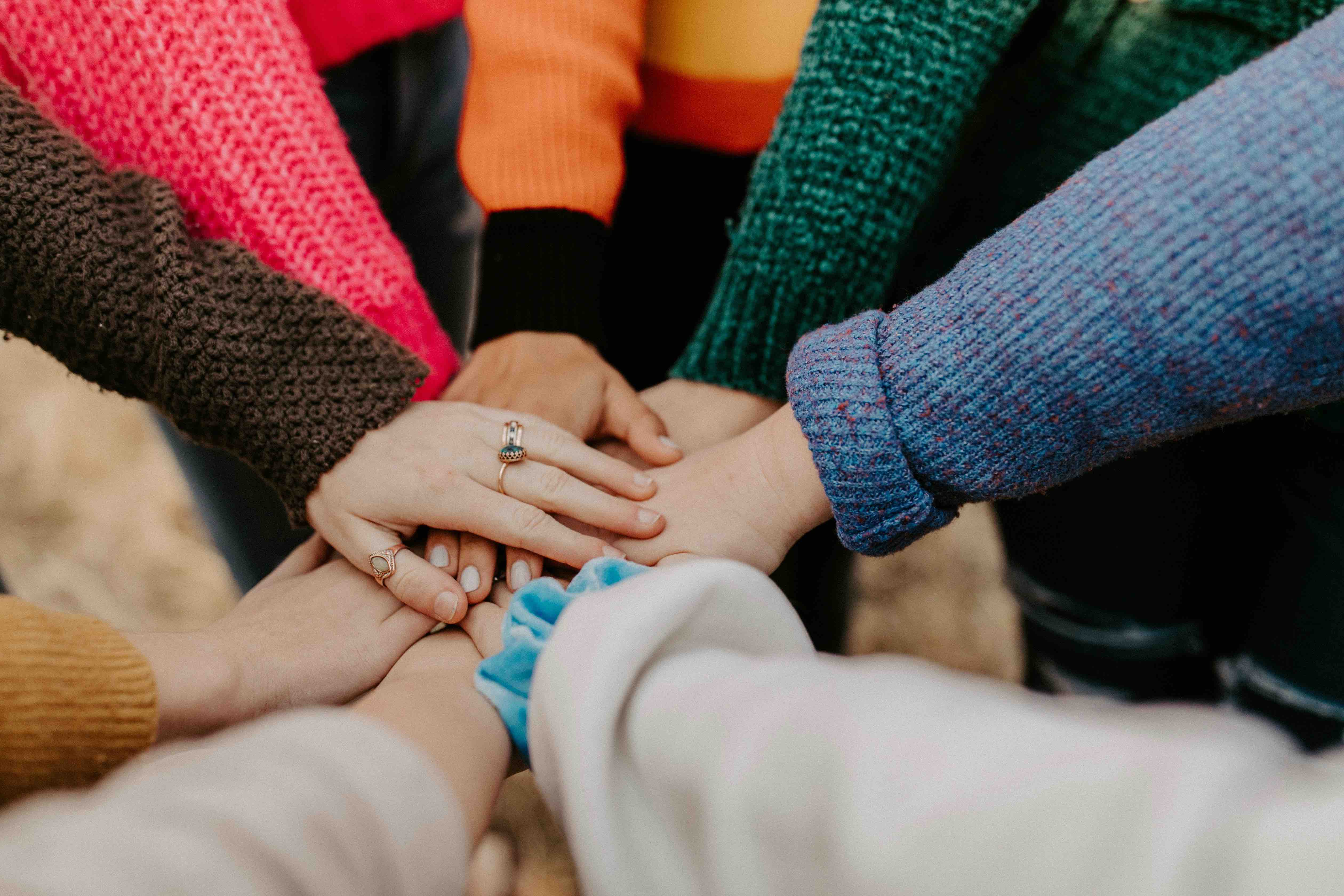
You might hear people talking about all sorts of topics related to death, dying, and the grieving process. They could be sharing personal stories, discussing the importance of living life to the fullest, exploring beliefs about death and dying, opening up about fears or challenges, or talking about the emotions and anxiety that come with losing someone close to them.
Joining a Death Cafe allows you to connect with people from all walks of life. Some might be there because they're just interested, others might have gone through a personal experience with death, and some might want to explore their thoughts about mortality.
The best part? Death Cafes are happening worldwide, so there's a good chance you can find one near you. If you are curious and want to try something new, hop online and search for the next event in your area. Or, if you prefer, you can even join a free virtual gathering from the comfort of your own home.
What is a Grief or Bereavement Cafe?
While a Death Cafe offers a space to discuss the concept of mortality, a Grief or Bereavement Cafe is a bit different. It’s a welcoming place specifically for people who are grieving the death of someone they love. Think of it as a more focused conversation. The core idea, as The Good Grief Trust puts it, is to offer support to people who are sad because someone they loved has died. It’s less about the philosophical questions of death and more about the real, raw, and often messy experience of living with loss.
These gatherings are still informal and non-clinical—you won’t find a therapist leading a formal session. Instead, you’ll find a community of people who understand what you’re going through because they’re going through it, too. It’s a space to share stories, listen, and simply be with others who get it, without any pressure to be “okay.” This kind of peer support can be an incredibly powerful part of the healing process, reminding you that you aren’t walking this path alone.
The Key Difference: A Focus on Grief Support
The main distinction between a Death Cafe and a Grief Cafe is the focus. A Death Cafe is for anyone curious about mortality, while a Grief Cafe is a dedicated space for those actively mourning. In a Grief Cafe, the shared experience of loss is the common thread that ties everyone together. You don’t have to explain the weight of your sadness or the reason for your tears; the people around you already understand that language. It’s a safe space where you can be completely open about your feelings without fear of judgment, which is essential when you’re feeling vulnerable.
Finding a Cafe for Your Needs
Finding a local Grief Cafe is often easier than you might think. Many are run by local hospices, community centers, or volunteer organizations. A great starting point is a resource like The Good Grief Trust’s national map, which allows you to search for cafes in your area simply by entering your postcode. You can also try a quick online search for terms like “bereavement support group” or “grief cafe” along with the name of your town or city. Since these are community-based, new ones are always popping up to meet local needs.
Specialized Grief Cafes
Grief is a universal experience, but the specifics of a loss can be deeply personal. Because of this, many specialized Grief Cafes exist to bring together people with similar experiences. Some groups are designed for parents who have lost a child, for young people, or for those who have lost a partner. This specificity can create an even stronger bond, as participants can relate to the unique challenges of a particular type of loss. There are even groups dedicated to those mourning the loss of a beloved animal, which can be a profound source of comfort for anyone whose pet was a true family member.
Virtual and Online Grief Cafes
If attending an in-person meeting feels like too much, or if there isn’t a group near you, virtual Grief Cafes are a fantastic alternative. Meeting online can be a great option for those who find it difficult to meet strangers face-to-face or have mobility challenges. These online gatherings offer the same supportive, non-judgmental atmosphere from the comfort of your own home. They provide a flexible and accessible way to connect with others, share your story, and feel a sense of community, no matter where you are.
Who Runs Grief Cafes?
Grief Cafes are typically run by trained facilitators, who might be hospice workers, chaplains, counselors, or dedicated volunteers. While they aren’t acting as therapists, their role is to hold the space, ensure the conversation remains supportive and respectful, and gently guide the discussion if needed. Many facilitators have their own experiences with grief, bringing a deep sense of empathy and understanding to the group. Their presence ensures the cafe remains a safe, confidential, and compassionate environment where everyone feels comfortable sharing their story.
The Most Universal Human Experience
Talking about death can be super uncomfortable for a lot of people. But have you ever stopped to think about why that is? Death is something we all experience at some point in our lives; it's a universal concept that connects us all.
For many of us, our first brush with loss might be when a beloved pet or an older relative passes away. If you've gone through that, you probably remember how strange and confusing it felt and how difficult it was to understand what it all meant.
That's where Death Cafes come in. They offer you a chance to express those confusing emotions and share your fears and concerns with others who get it. You may even find those inner worries don’t feel as overwhelming when you talk about them and realize you’re not alone in feeling this way.

In a society that can often be squeamish and averse to talking about death, these gatherings are helping people face this topic head-on instead of avoiding and internalizing it. By encouraging more honest and open conversations about death and end-of-life issues, Death Cafes are helping us be better prepared for the grieving process, or even our own death, when we inevitably must face it.
Understanding Grief with Therese Rando's "Six R's"
While open conversations are incredibly helpful, sometimes having a structured framework can also bring a sense of clarity. Clinical psychologist Dr. Therese Rando developed a model known as the 'Six R's of Mourning,' which acts as a gentle guide through the wilderness of grief. It’s not a rigid checklist, but rather a way to understand the different tasks of mourning. The process involves recognizing the reality of the loss, reacting to the pain of separation, and recollecting your loved one to honor their memory and the relationship you shared. From there, it moves toward relinquishing old attachments (not the love, but the attachment to their physical presence), readjusting to a world without them, and eventually, reinvesting in your new life. This framework can help validate your feelings and remind you that the complex emotions you're experiencing are a natural part of healing and finding your way forward.
Other Unconventional Grief Support Networks
If you feel like you need something else, something different than traditional therapy or counseling, something that truly adapts to your unique grieving needs, there are a variety of other support alternatives in addition to Death Cafes. Here are some ideas you can explore to help cope with grief:
Meditation Retreats
If socializing isn’t really your thing and you’d prefer to focus onself-care and wellness, meditation retreats can provide a supportive and peaceful environment.
These retreats often include guided sessions such as yoga classes, breathing exercises, or journaling spaces focused on emotional release and healing.
Grief retreats provide a space for you to gain the inner tools necessary to cope with pain. At a time when complete isolation from social activities may feel like the only way to deal with your emotions, these spaces offer a relaxed and no-pressure setting to connect with others and work on yourself—on your terms.
Cooking Classes
Did you know cooking classes can be a form of therapy? It's a great approach that combines the joys of cooking with the support of being in a group. Whether you're a kitchen pro or more of a take-out kind of person, these classes can be a fantastic way to cope with loss.

When you step into the kitchen, you can unlock so many memories. The sights, sounds, and smells can transport you to another time and place. Imagine catching a whiff of cinnamon and suddenly being taken back to your grandma's kitchen when you were a little kid. You might remember the smell of her famous apple crumble baking in the oven and her warm, comforting smile.
Food and drink can be a holistic healing experience that engages all your senses. Plus, learning how to cook a loved one’s favorite dishes and recipes is a great way to honor their memory.
Nature-Based Therapy
Spending time in nature can work wonders for your healing process. It might seem simple, but being outdoors and getting in touch with the rhythms and cycles of life can be so revitalizing. Feeling the sun's warmth on your skin, taking a deep breath of fresh air, or waking up to birds singing in the morning—can heighten the senses and increase awareness, both physically and mentally.
You don't have to be a hardcore hiker or outdoorsman to enjoy the benefits of nature. Gardening classes or playing board games in the park can be just as rewarding as a multi-day backpacking excursion. There's something about being surrounded by nature that brings a sense of calmness and energy, which can help you on your healing journey.
Crafting Workshops
Participating in arts and crafts naturally invites you to explore your inner thoughts and feelings. Working with your hands and being creative can help quiet external noise and get you in touch with yourself and your lost loved one. You can try out all sorts of fun workshops, like scrapbooking, quilt-making, or even jewelry-making. Creating something tangible to honor your loved one is therapeutic and gives you a unique keepsake to cherish forever.
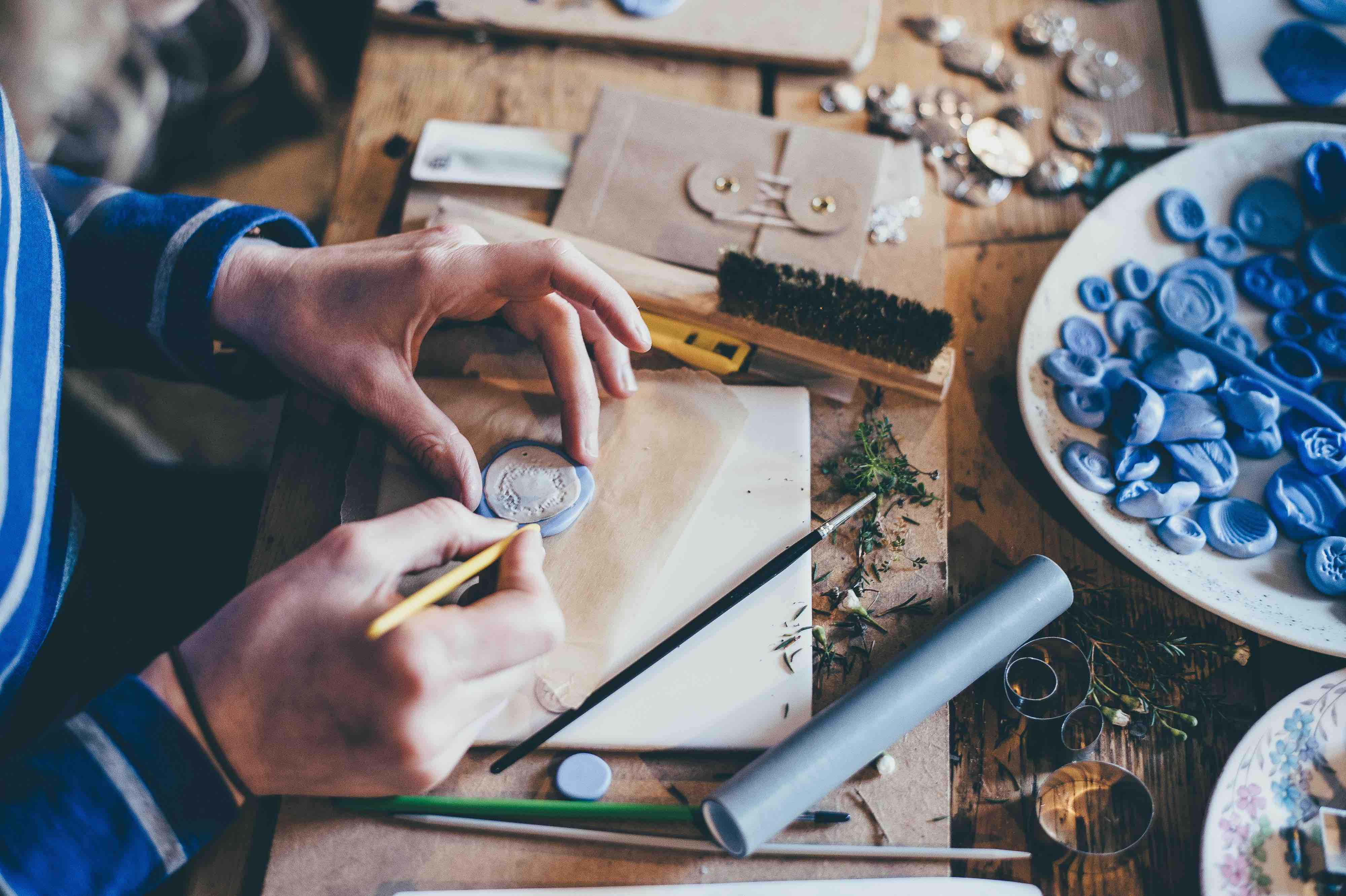
If jewelry workshops sound like your thing, you might even consider bringing some of your loved one's favorite jewelry pieces and giving them a personal touch. It's a beautiful way to combine your soul with theirs, creating a unique part of them you can wear and cherish.
Additional Grief Resources
While creative outlets and community gatherings can be incredibly healing, sometimes you need immediate support or a different kind of guidance. Grief doesn't operate on a 9-to-5 schedule, and there will be moments when you feel completely overwhelmed and alone. It’s important to remember that reaching out for help is a sign of strength. There are many incredible resources available, from 24-hour helplines to organizations and books that can offer comfort and perspective when you need it most. Finding the right support for you is a key part of the healing process.
24-Hour Helplines
When you're struggling in the middle of the night or just need to talk to someone who understands without judgment, a helpline can be a lifeline. These services are free, confidential, and available anytime. If you prefer texting, the Crisis Text Line is a fantastic resource; you can text CONNECT to 741741 to chat with a trained crisis counselor. There are also numerous grief and loss hotlines staffed by compassionate individuals who can provide immediate emotional support and connect you with local counseling services if you need them. They are there to listen and help you process whatever you're feeling in the moment.
Helpful Organizations and Books
Beyond immediate help, there are organizations dedicated to specific types of loss that can provide long-term support. For example, Friends for Survival offers support for those who have lost someone to suicide, while the National Parent and Youth Helpline assists families working through loss. Sometimes, reading about another person’s journey through grief can also make you feel less isolated. Books like Joan Didion's "The Year of Magical Thinking" or Sheryl Sandberg's "Option B" offer raw, personal insights into loss and resilience, providing both comfort and a sense of shared experience that can be incredibly validating.
The Eterneva Community
The success of Death Cafes shows how building a strong community and sharing feelings and experiences are great ways to cope with grief. At Eterneva, we get it. We’ve been helping people deal with loss since our beginning, creating memorial diamonds from the ashes of loved ones and working with them to navigate the complexities of grief, loss, and healing. From the moment you decide you want to turn your loved one's ashes into diamonds to the moment you receive your beautiful diamond to hold and cherish, we are with you every step of the way.
Eterneva encourages the community to share their experiences openly throughout their grief journey. You can send pictures, quotes, and stories about your loved one, allowing you to celebrate their life and keep their memory alive. You can also join a live social media feed weekly to welcome new customers to Eterneva and listen to heartfelt stories of life and loss. It's a beautiful way to connect with others who truly understand what you're going through.
We know losing a loved one is one of life's most devastating and significant events, and it can feel incredibly overwhelming and isolating. These were remarkable souls in your life, and we know you want to continue to keep them close. But we also understand the need for community and support during these difficult times. That’s why our process provides personalized, one-of-a-kind jewelry that represents your unique bond as well as ongoing emotional support during every step of the diamond journey.
Frequently Asked Questions
What's the real difference between a Death Cafe and a Grief Cafe? Think of it this way: a Death Cafe is for anyone who wants to talk about the concept of death and mortality in a general sense. It's a space to explore big questions about life and dying. A Grief Cafe, on the other hand, is specifically for people who are actively mourning the loss of a loved one. The conversation there is more focused on the personal experience of grief and finding support from others who are on a similar path.
Do I have to share my personal story if I attend one? Absolutely not. There is no pressure to speak or share anything you're not comfortable with. Many people attend simply to listen and be in a space where these topics are discussed openly. Your presence alone is a form of participation, and you can contribute as much or as little as you feel up to. The goal is to create a safe and supportive environment for everyone.
Are these cafes a form of group therapy? No, and it's an important distinction to make. These gatherings are not therapy sessions, and the facilitators are not acting as counselors. They are informal, peer-led discussions designed to create community and connection. While they can be very therapeutic, they are not a substitute for professional mental health support if that is what you need.
What if I can't find a cafe in my local area? If you can't find an in-person meeting nearby, don't worry. Many organizations now host virtual Death Cafes and Grief Cafes online, which allows you to connect with people from the comfort of your own home. You can also check with local hospices or community centers, as they often run similar support groups that may not be widely advertised.
Is it okay to go to a Death Cafe even if I'm not grieving a recent loss? Yes, absolutely. Death Cafes are designed for everyone, regardless of their personal circumstances. The main purpose is to increase awareness and comfort around the topic of death to help us all make the most of our finite lives. Curiosity is a perfectly valid reason to attend and join the conversation.
Key Takeaways
- Find the right conversation for you: Death Cafes are for anyone wanting to discuss mortality openly, while Grief Cafes provide a focused, supportive space specifically for people who are actively mourning a loss.
- Healing happens in many forms: Support isn't limited to traditional therapy; activities like cooking classes, nature-based therapy, and crafting workshops offer creative and tangible ways to process feelings and honor a loved one.
- You don't have to be alone: The common thread in all these options is the power of community. Finding a safe space to share your story with others who understand is a vital part of the healing process and a reminder that support is available.