The Light We Carry
People don’t have to stop missing someone to begin living.
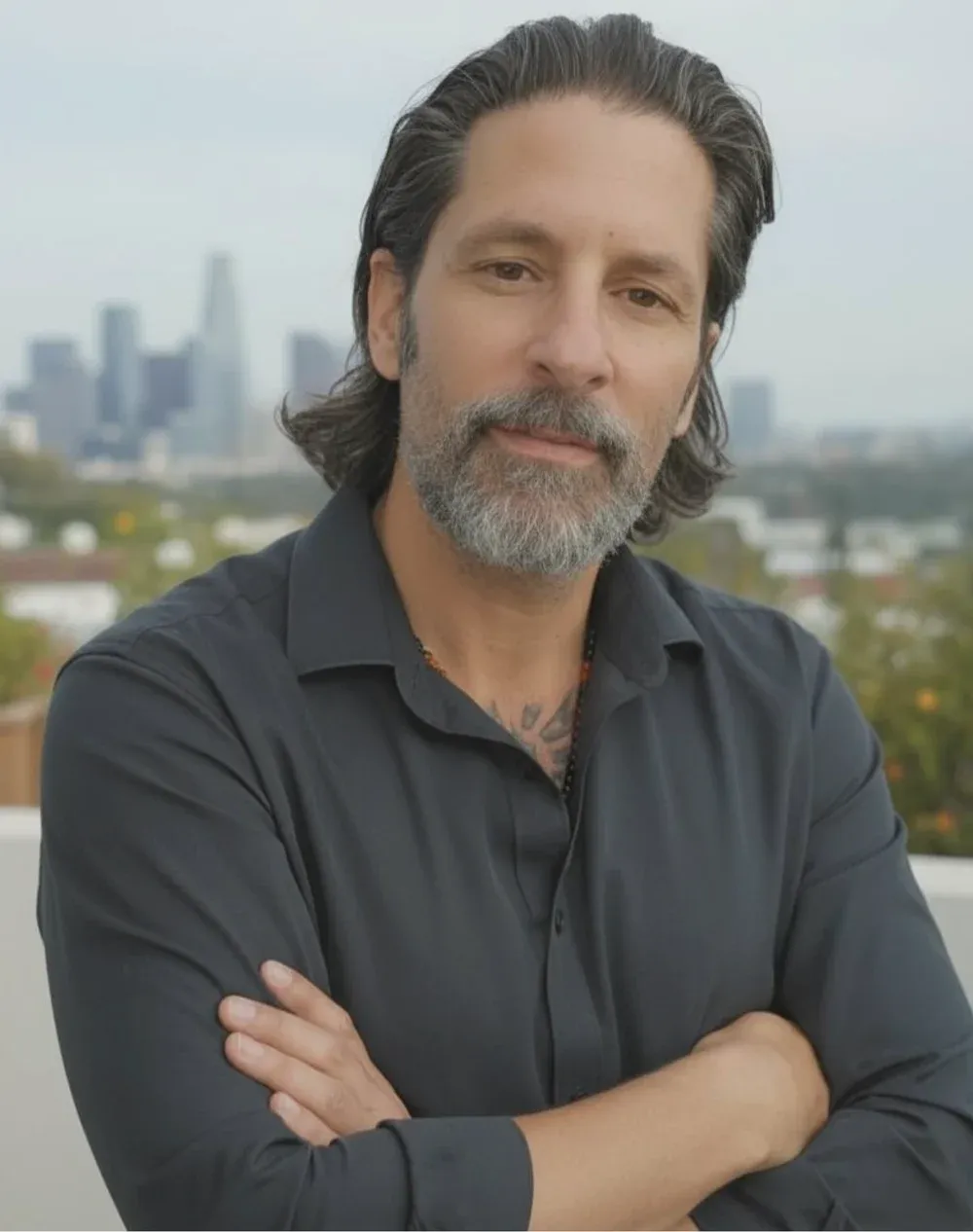
Phil Cohen · The Grief Guy | Grief Coach, Speaker, and Founder of The Inner Garden
A grief coach and speaker known as The Grief Guy, Phil founded The Inner Garden, a grief education and support program.
About this conversation
The Light We Carry is an Eterneva series of conversations with people who spend their lives close to grief, death, and remembrance.
Phil Cohen, known as The Grief Guy, is a grief coach, speaker, and founder of The Inner Garden, a grief education and support program. After losing his 14-year-old son, Perry, in a boating tragedy in 2015, Phil began exploring how people navigate life after devastating loss.
We spoke with him about the Grief Decision Gap, why he let go of the five stages of grief, the role keepsakes play in continuing bonds, and the light he carries from this work.
“Why would we expect love to end when a life ends?”
What drew you to grief work? Has your own experience of loss shaped it?
On July 24th, 2015, my 14-year-old son, Perry, and his friend Austin disappeared at sea off the coast of Florida. After seven days of searching, the Coast Guard called off the search. Neither boy was ever found. I went from being a father whose entire world revolved around his son to someone who barely recognized himself. I didn’t set out to become a grief coach. I was trying to figure out how to survive something I couldn’t imagine surviving.
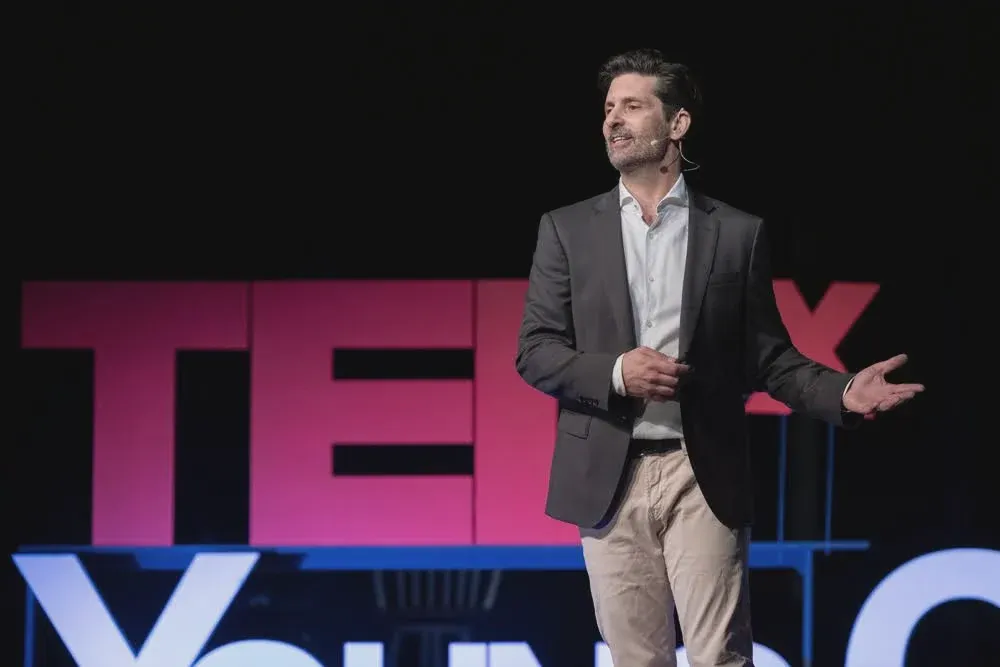
Years later, I gave a TEDx talk about my experience and what I’d learned about grief. Afterward, a woman who had recently lost her husband took both of my hands and told me how much my words had helped her. Something shifted inside me. For the first time, I understood that sharing my experience might help someone else find their way through theirs. After that talk, people started reaching out. I listened. We talked. And over time, I discovered that what I’d learned through my own grief, combined with a growing understanding of the science and psychology of loss, offered people something they desperately needed: not a way to forget the people they loved. A way to begin living again without feeling like they were leaving them behind.
Tell us about a moment with a client that changed how you understand grief.
One of the things that’s changed my understanding of grief is hearing how often people judge themselves for what they’re struggling to do. I’ve spoken with people who feel ashamed because they haven’t answered a friend’s text, opened a closet, attended a family gathering, or made a decision that once would have taken seconds. From the outside, these things seem small. From the inside, they feel enormous. What I’ve learned is that grief doesn’t only affect how we feel. It affects our attention, energy, confidence, relationships, and ability to make decisions. And sometimes, the hardest part isn’t the task itself. It’s everything happening in our minds before we even attempt it.
That insight helped shape something I teach called the Grief Decision Gap, the difference between the emotional energy we spend considering an action and the energy required to do it. I’ve stopped measuring progress by what someone accomplishes. I’m far more interested in what it took for them to get there.
How would you describe your approach to grief in your own words?
I believe grief isn’t something we need to get over, fix, or leave behind. It’s something we learn to integrate into our lives. There’s a popular idea that healing means moving on. I don’t believe that. I lost my only child. I’m not interested in moving on from Perry, and I don’t expect anyone else to move on from someone they love. But I do believe it’s possible to experience profound grief and still build a meaningful life. Those two things aren’t mutually exclusive.
My work combines lived experience, grief education, practical tools, and a framework I’ve developed called The Inner Garden. I help people understand what’s happening in their minds and bodies, recognize the patterns keeping them stuck, reconnect with themselves and others, and begin making choices aligned with what matters most to them. Not because their grief has disappeared, but because their grief no longer has to make every decision for them.
What helps you know that someone is beginning to carry their grief differently?
It’s rarely some dramatic breakthrough. Sometimes it’s a person telling me they laughed without immediately feeling guilty, or they accepted an invitation instead of automatically saying no, or they had a difficult day without deciding they’d lost all the progress they’d made. One of the biggest changes I notice is in the questions people begin asking themselves. Early in grief, the questions often sound like, “Why am I like this?” or “What’s wrong with me?” or “Shouldn’t I be doing better by now?” Over time, those questions sometimes become, “What do I need today?” or “What would help?” or “How do I want to live with this?” The pain hasn’t necessarily become smaller. But their relationship with it is changing. And perhaps most importantly, they begin giving themselves permission to experience moments of joy, connection, and meaning without interpreting those moments as a betrayal of the person they lost.
Many of the families we work with find comfort in keeping a loved one physically close. What role do memories, rituals or keepsakes play in the healing you’ve seen?
I think one of the most damaging ideas about grief is that healing requires letting go of the person who died. Why would we expect love to end when a life ends?
Our relationship with someone changes after they die, but that doesn’t mean the relationship disappears. Photos, keepsakes, traditions, familiar places, and even small everyday rituals offer ways to maintain that connection. And they don’t need to make us feel happy to be meaningful. A photograph might bring someone comfort one day and tears the next. Both responses belong.
In grief psychology, there’s a concept called “continuing bonds,” which recognizes that maintaining a relationship with someone who has died is often a natural and meaningful part of grieving. I encourage people to find ways to keep that relationship present in their lives, in whatever form feels right for them. Sometimes it’s wearing something they owned. Sometimes it’s preparing their favorite meal, continuing a tradition, or simply saying their name. The important thing isn’t the object or ritual itself. It’s the love and meaning we attach to it.
Who do you most often work with, and what have they taught you?
I work primarily with people who’ve experienced devastating losses, including parents who’ve lost children, people who’ve lost spouses or partners, and others whose lives have been profoundly changed by the death of someone they love. Many come to me convinced they’re grieving incorrectly. They think they should be further along. They compare themselves to others. They worry that something is wrong with them because everyday life feels so difficult.
They’ve taught me something important. We spend far too much time telling grieving people how they should feel and far too little time trying to understand what they’re experiencing. They’ve also taught me that people are capable of carrying far more complexity than we tend to give them credit for. Someone might desperately miss their spouse and still look forward to something tomorrow. A parent might feel joy and sorrow in the same moment. Neither experience cancels out the other. Working with grieving people has reinforced my belief that we don’t need to choose between honoring the life we’ve lost and participating in the life we still have.
What’s a belief about grief you’ve let go of over your career?
The idea that grief follows a predictable path. When Perry first disappeared, I remember searching for information about how to grieve. Like so many people, I encountered the five stages of grief. Denial. Anger. Bargaining. Depression. Acceptance. I thought these stages were a roadmap. I figured if I understood where I was, I’d know how close I was to getting through it. But grief didn’t behave that way, and the more people I’ve worked with, the more convinced I’ve become that presenting grief as a sequence of stages creates unnecessary pressure.
People start wondering whether they’re doing it correctly. Whether they’re stuck. Whether they’ve gone backward. Grief isn’t a staircase we climb until we reach acceptance. It changes. We change. Our lives change. We revisit feelings we thought we’d already worked through. That doesn’t mean we’ve failed or returned to the beginning. I’ve also let go of the belief that grief gets smaller only because time passes. Time alone doesn’t tell us how someone is doing. What’s happening in their life, how they’re supported, what they’re learning, and how they’re relating to their grief matter enormously.
Lastly, what’s the light you carry with you from this work?
It’s the belief that a meaningful life is still possible after unimaginable loss. I would give anything to have my son back. There isn’t a lesson, achievement, or amount of personal growth that makes losing Perry worth it. But his death doesn’t have to be the end of everything meaningful in my life. That’s something I once struggled to believe.
Today, I get to sit with people who are living through some of the darkest moments of their lives. Occasionally, I witness something extraordinary. Not the absence of grief. A little more hope. A moment of laughter. A decision they didn’t think they were strong enough to make. A willingness to imagine a future again. I’m reminded that people don’t have to stop missing someone to begin living. And if my experience helps even one person believe that possibility exists for them, then I’m doing work worth doing.
Perry will always be part of my story. And helping others find their way forward has become part of how I continue to honor him.
About Phil Cohen
Phil Cohen, known as The Grief Guy, is a grief coach, speaker, and founder of The Inner Garden, a grief education and support program. After losing his 14-year-old son, Perry, in a boating tragedy in 2015, Phil began exploring how people navigate life after devastating loss. Through his TEDx talk, social media platforms, and coaching programs, he helps grieving people understand their experiences, challenge harmful myths about grief, and discover how to build meaningful lives while continuing to love and remember those they’ve lost.